Boost Your IT Career with Online Courses for IT Certifications
Choosing online courses for IT certifications is a direct way for professionals to earn career-defining credentials. These platforms provide flexible, self-paced learning and specialized tools that go beyond traditional textbooks. This practical approach helps tech workers at all levels build specific technical skills quickly while proving they are ready for the job. By using these digital resources, you can efficiently prepare for exams and stay current with modern technical requirements.
Why Online Courses Are the Smartest Path to IT Certification Success
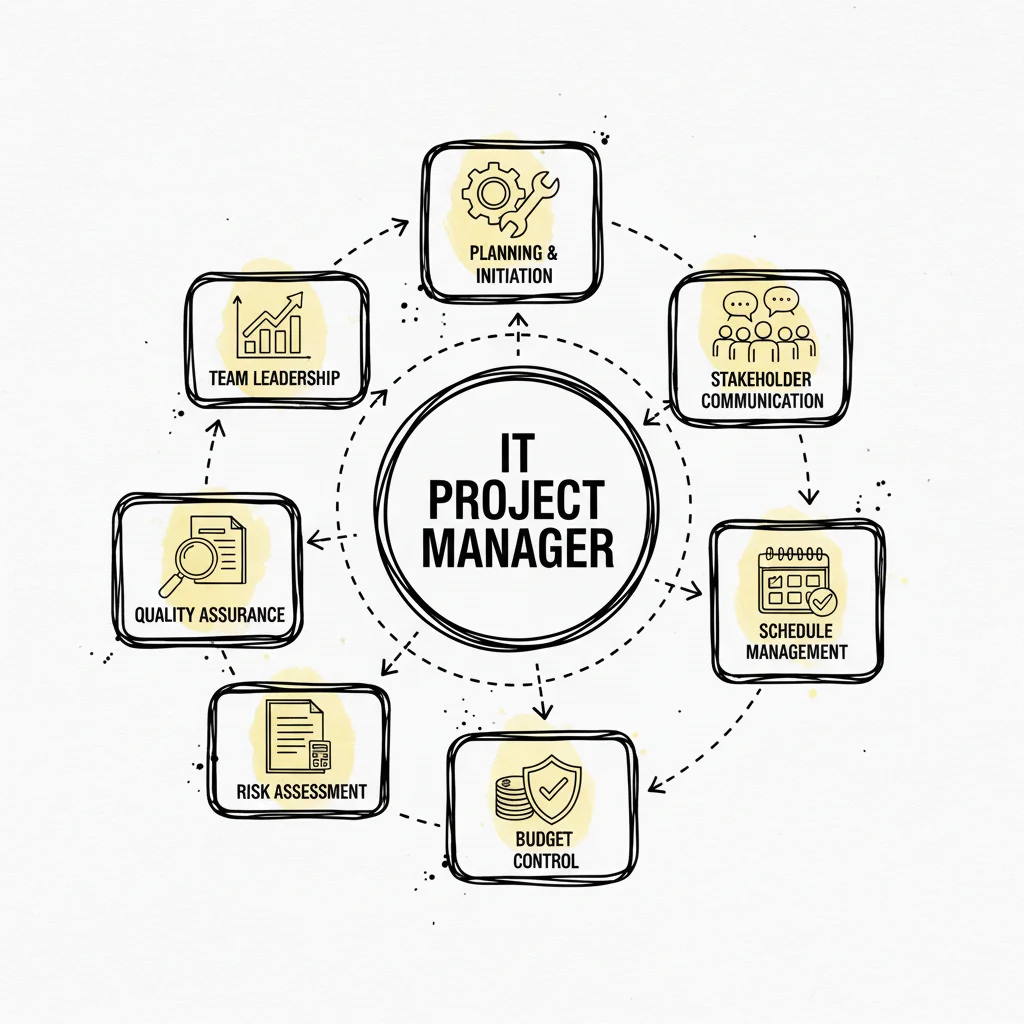 Figure 1: Online learning platforms offer flexibility and structured pathways to IT certification.
Treat earning an IT certification, like the AWS Certified Solutions Architect – Associate or the PMP, as managing a high-stakes project. You would never start a complex infrastructure build without a blueprint and a rollout plan. High-quality online certification programs provide that specific structure. They turn a large career goal into a sequence of achievable, supported steps.
These courses are more than just collections of video files. The best programs are built on a core idea: active participation works better than just watching slides. You are prompted to test tools, write code, and solve problems. This approach builds a stronger grasp of the technology and ensures you remember what you learn.
- Hands-On Labs and Sandboxes: Use virtual environments to launch an AWS EC2 instance or configure Azure network security groups. You can even run a cyberattack simulation without any risk to actual hardware. These labs turn theory into practical skills. They act like training software for cloud engineers, network architects, or security experts. You get to practice as much as you need without the danger of a live production crash.
- Adaptive Study Plans: Smart platforms use tech to find your weak spots through tests. They change your path to focus on the topics where you need help. This ensures you spend your time well rather than repeating what you already know.
- Realistic Practice Exams: Good mock tests reflect the actual certification. They use the same question types, difficulty levels, and time limits as the vendor exams. This preparation builds your confidence and cuts down on test-day stress. For exams like CompTIA Security+ or Microsoft Azure Administrator, these tests include scenario-based problems and performance tasks. These prepare you for the specific challenges you will face in a professional IT environment.
The Shift to Flexible and Effective Learning
Fixed classroom schedules are often a poor fit for IT workers. Most professionals have to balance a full-time job with personal duties and other projects. Online courses provide the freedom to study whenever you have time. You can learn during a break at work, late at night, or on a quiet weekend. This flexibility makes it easier to keep learning while working.
Industry numbers support this change. The global certification market was worth $38.3 billion in 2021 and is expected to grow to $58.6 billion by 2025. This growth shows that more people are using online tools to get credentials like AWS, CompTIA, ITIL, and Azure certifications. You can discover more about the certification market growth by reading the full projections.
A good online course relies on how it teaches. It goes beyond memorizing facts to build skills you can use at work from day one.
Platforms such as MindMesh Academy include learning science in their design. They use methods like Spaced Repetition to revisit topics at set times. This keeps info in your long-term memory. This method is a central part of what is continuous learning. It helps you move past simple memorization to build the skills needed for a professional IT career.
Decoding the World of IT Certifications
Identifying the right path through the wide array of IT certifications often feels like a difficult task. The tech industry uses a massive list of acronyms—AWS, CompTIA, PMP, CISSP, ITIL, CCNA, Azure—that can seem like a barrier for those trying to determine where to start.
Instead of viewing this list as a confusing maze, it is more helpful to see it as a map of interconnected career paths. Each path leads to specific, high-demand roles that require specialized technical knowledge. The first step in your career growth is identifying which of these directions matches your own professional goals and technical interests.
Most online courses for IT certifications are built around major technical domains. These domains represent the primary areas where technology professionals build their expertise. Understanding how these domains differ is essential for planning your career and selecting the right training programs.
The Four Core Pillars of Modern IT Careers
The technology sector is broad and changes quickly, but the most important certifications usually cluster into four specific specializations. Each area addresses different business problems and requires a specific set of technical skills and communication styles.
- Cloud Computing: Cloud professionals act as digital architects. They design, deploy, and manage the systems that allow organizations to run applications and store data on remote servers instead of physical, on-site hardware. This field requires building systems that are scalable, meaning they can grow as user demand increases, and resilient, so they stay online even during technical failures. Certifications from major providers like Amazon Web Services (AWS), such as the AWS Certified Cloud Practitioner, or Microsoft Azure, like the Azure Administrator Associate, serve as the primary credentials for this field. These roles are critical for companies that want to improve their global reach while managing their infrastructure costs effectively.
- Cybersecurity: This domain focuses on defense and forensic investigation. Cybersecurity experts serve as the primary guards for an organization’s digital assets. They work to protect networks, hardware, and private data from a wide range of threats. A certification like CompTIA Security+ is often the starting point for people in this field. Those looking for more advanced roles usually pursue the Certified Ethical Hacker (CEH) or the CISSP (Certified Information Systems Security Professional). These certifications indicate that you have the skills to handle sophisticated threats, manage risks, and keep sensitive information safe from unauthorized access.
- Networking: Networking is the practice of building and maintaining the communication systems that allow computers to share data. These professionals manage the physical routers, switches, and software configurations that ensure information travels securely and quickly across a company. Credentials such as the Cisco Certified Network Associate (CCNA) or CompTIA Network+ are standard requirements for these roles. These experts make it possible for data to reach its destination without being intercepted or slowed down. Without skilled networking staff, the internet and private office networks would be unable to function.
- Project Management & Service Management: This pillar centers on leadership and the successful delivery of technology goals. A Project Management Professional (PMP) manages IT initiatives by coordinating resources, budgets, and timelines. They work to ensure that large projects are finished on time and meet the needs of the business. ITIL certifications are also common in this area, focusing on how IT services are delivered and managed within an organization. These roles require a mix of technical understanding and strong communication skills to manage stakeholders and keep technical teams moving toward a common objective.
Selecting a domain involves looking at where your personal interests meet the current needs of the market. If you enjoy building large systems and watching them scale to millions of users, cloud computing is likely a strong fit. If you are fascinated by risk assessment and enjoy solving the puzzles involved in proactive defense, cybersecurity may be a better choice.
Self-reflection prompt: Which of these core pillars genuinely excites you most? What problems do you enjoy solving?
Your first IT certification is a foundational building block for your career. It provides a stable base. From that base, you can build a more specialized and high-impact professional life as you gain more experience.
Navigating the Certification Levels
Once you have identified a domain that fits your interests, you will notice that certifications are usually organized into tiers. These tiers represent the jump in difficulty and the amount of work experience required to succeed. This hierarchy provides a clear roadmap that you can follow from your first day in the industry until you reach a senior position. It is very similar to moving through levels of seniority in a trade, where each new level represents deeper knowledge and more responsibility.
Most certification paths follow a three-tier framework:
- Foundational/Entry-Level: These certifications are the starting point for anyone new to a technical domain. They focus on core concepts, industry vocabulary, and basic principles. You generally do not need previous work experience to pass these exams. Examples include the AWS Certified Cloud Practitioner, Microsoft Certified Azure Fundamentals, or CompTIA A+. These credentials prove to employers that you have a solid grasp of the basics and are ready for an entry-level role or further training.
- Associate/Intermediate: At this level, you move beyond defining terms and start demonstrating that you can apply your knowledge to real-world problems. Associate-level certifications, such as CompTIA Security+, AWS Certified Solutions Architect – Associate, Microsoft Certified Azure Administrator Associate, or the Cisco Certified Network Associate (CCNA), prove you have the hands-on skills to perform specific job tasks. These are the credentials most often listed in job descriptions for mid-level technical positions.
- Professional/Expert: These certifications are for experienced professionals who have spent several years in the field. These exams are difficult and cover advanced topics like high-level system design, security management, and technical leadership. Earning an expert-level certification, like the CISSP, AWS Certified DevOps Engineer – Professional, or the PMP, shows the industry that you have a high degree of mastery. These certifications often lead to senior management roles or specialized consulting positions with higher salary potential.
Understanding these levels is helpful for setting goals that you can actually achieve. If you are new to the technology field or are changing careers, starting with a foundational certification is usually the best strategy. This builds your confidence and gives you the knowledge you need to tackle more difficult credentials later in your career.
Popular IT Certification Paths by Domain and Level
This table shows how different certifications are categorized by domain and expertise level. You can use this as a guide for exploring online courses for IT certifications that align with your current experience and your future career goals.
| IT Domain | Foundational Certification | Associate/Intermediate Certification | Professional/Expert Certification |
|---|---|---|---|
| Cloud Computing | AWS Certified Cloud Practitioner | Microsoft Certified Azure Administrator Associate | AWS Certified Solutions Architect – Professional |
| Cybersecurity | CompTIA Security+ | Certified Ethical Hacker (CEH) | Certified Information Systems Security Professional (CISSP) |
| Networking | CompTIA Network+ | Cisco Certified Network Associate (CCNA) | Cisco Certified Network Professional (CCNP) Enterprise |
| Project Management | Certified Associate in Project Management (CAPM) | Project Management Professional (PMP) | Program Management Professional (PgMP) |
This structure offers a clear way to progress in your professional life. Once you know your starting point and your desired destination, you can select the right certification path. From there, you can find an online course that helps you prepare for the exam and move one step closer to reaching your goals.
Choosing the Right Online Course Provider
Many online courses for IT certifications are available today, so picking a provider might seem like a difficult task. It is best to treat this decision like hiring a technical expert to help you reach a specific career goal. You would not pick the first person you meet. Instead, you would look for someone with a proven record, the right equipment, and a plan that fits your needs.
The same strategy works here. The most successful course providers do more than just host video lectures. They act as a training partner by giving you practical tools and study methods based on how people actually learn. Their objective is to help you pass your exam and ensure you master the skills needed to perform well in your job immediately.
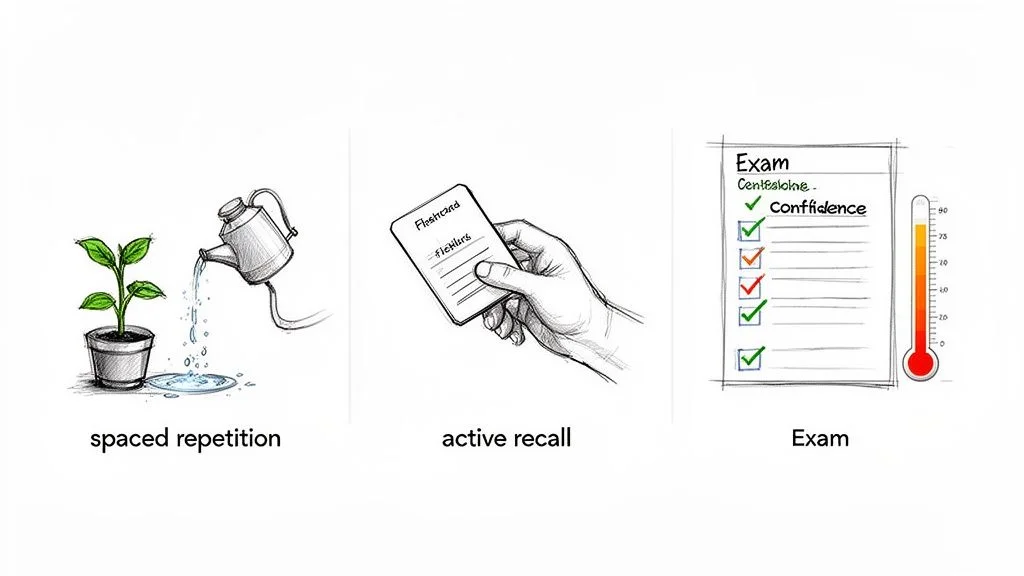 Figure 2: Key IT certification domains and example credentials.
Every domain in the diagram represents a specific career path. A high-quality course provides deep training that focuses on the unique requirements and technical challenges of that particular field.
Look for Instructors with Real-World Experience
The quality of a training program depends on the people teaching it. You need instructors who are active professionals, not just academics. These teachers have spent years working in cloud architecture, managing cybersecurity threats, or handling network engineering. Their practical tips and stories from the field provide a perspective that you cannot find in a textbook.
An expert instructor does not just read from a slide deck. They explain why a specific concept matters in a real-world setting. They share examples from their own careers and prepare you for the actual problems you will face at work. This type of experience helps turn abstract ideas into technical skills you can use on the job.
Insist on Hands-On Labs and Practical Application
It is helpful to watch someone else set up a cloud environment or write a security script, but you only truly learn when you do it yourself. This is why active hands-on labs are a necessary part of any technical certification course. You need to practice the skills you are learning in an environment that mimics the real world.
These virtual labs let you experiment and fix mistakes without any risk to a live company system. It is the difference between reading a manual on how to drive and actually getting behind the wheel. Working with the technology directly helps you understand it better and gives you the confidence to perform well in a new role.
The purpose of an online certification course is to help you build real competence. You want to be able to tell an interviewer that you have actually performed these tasks, not just studied the theory behind them.
Demand for this type of practical training is growing. The IT Training and Certification Market had a value of $35.9 billion in 2025 and is expected to reach $60 billion by 2035 (verify current market figures on the vendor or analyst site). This growth is caused by companies wanting to improve the skills of their teams and by individuals looking for flexible ways to get career results. Changes in how the world works and learns have made these digital solutions more popular.
Evaluate the Quality of Practice Exams
Practice exams are a vital tool for your preparation. They should do more than test your memory; they should get you ready for the format and the time pressure of the actual test. High-quality providers spend a lot of time creating mock exams that match the official testing experience.
When you look at a course provider, check these three parts of their practice tests:
- Authentic Question Quality and Style: The questions must match the tone and format of the official exam. This includes multiple-choice questions, multi-select options, and performance-based simulations.
- Detailed Explanations: Every answer should include a clear explanation of the technical concept. You need to know why a specific answer is correct and why the other options are wrong so you can learn from your mistakes.
- Performance Analytics and Feedback: A good platform provides a dashboard that tracks your progress. It should show your high-scoring areas and point out the specific topics where you need more study.
Using this data helps you spend your study time where it will have the most impact. Many companies use these platforms for their own internal teams. You can read more about this in our guide to online learning platforms for business.
Picking the right provider is a strategic move for your career. When you focus on finding expert instructors, active labs, and high-quality practice tests, you are doing more than just studying for a test. You are building the technical skills that employers want to see.
Study Smarter, Not Harder: Proven Learning Strategies That Actually Work
 Figure 3: Effective study techniques like spaced repetition and active recall improve learning efficiency.
Signing up for online courses for IT certifications is only the first step. The real effort—and the true secret to passing your exams—comes from how you manage your study time. If your current plan consists of passively watching hours of video lectures on repeat, you are likely setting yourself up for a long and difficult experience. It is time to stop using that slow, inefficient method.
The primary shift you must make is moving from being a passive observer to becoming an active participant in your own education. This means using study techniques that help you build deep, lasting knowledge. When you do this, you change your study sessions from exhausting, multi-hour sessions into focused, high-speed sprints. This allows you to learn faster and keep that information in your memory for a long time after the test is over.
Harness the Power of Spaced Repetition
Imagine building new knowledge like caring for a new garden. You would not give a plant a whole month of water in one afternoon and expect it to live. Instead, you give it small amounts of water every few days to keep it healthy. Spaced repetition works the same way for your brain. It is the practice of checking information at intervals that get longer over time.
Instead of trying to cram everything into one night, you might review a difficult networking concept for ten minutes today. You revisit that same concept two days later, and then check it again the following week. This method works because it breaks the brain's natural pattern of forgetting. By reviewing the material just as you are about to forget it, you tell your brain that this specific information is important and needs to be kept. Many study platforms for IT certifications now build this into their software. They use algorithms to track what you know and tell you exactly when it is time to review a specific topic again, making the process automatic.
Strengthen Your Knowledge with Active Recall
Many students read a full chapter in a technical manual, close the book, and then realized they could not remember a single point. This happens because of passive learning. The solution is active recall. This is the process of pulling information out of your brain rather than just putting it in. It requires you to test yourself constantly.
Practically, this means quizzing yourself as you go. Instead of just reading your notes on cloud security settings, try to explain how multi-factor authentication works out loud without looking at any text. Use flashcards for things like command-line interface commands or port numbers. Try to answer a practice question before you look at the multiple-choice answers provided. This mental strain is what builds strong connections in your brain. It makes the information stay where you can find it.
Active recall is like a weightlifting session for your memory. Every time you force yourself to remember a fact or a process, you make that memory path more stable. This makes the information easier to find and use when you are sitting in the testing center.
For a broader look at how to succeed, understanding the best practices for online courses can help you stay on track. When you combine these habits with effective adult learning strategies, you build a strong approach to getting certified.
Build Confidence with Realistic Practice Exams
Practice exams are your chance to practice before the real event. They do much more than just check your knowledge. They are the best tool you have for building your confidence and finding your weak spots before they can lower your final score. A high-quality practice test will look just like the real exam. It will use the same types of questions and give you the same time limits you will face on test day.
Using these practice tests offers several big benefits:
- Pinpoint Precise Knowledge Gaps: You get results that show exactly which topics you find difficult. This data allows you to spend your study time on the areas where you can make the most progress, rather than wasting time on things you already know.
- Master Time Management: The pressure of a countdown timer can be a big problem during an IT exam. Practice tests help you learn how to manage your time. You will learn how to move through questions at a steady speed so you can finish the whole test without feeling rushed during the final few minutes.
- Crush Exam-Day Anxiety: The more you see the exam format, the less scary it becomes. Walking into your exam knowing that you have already passed several practice versions gives you a huge mental advantage. You will feel more calm and ready to focus on the questions.
Good studying is not about how many hours you spend; it is about how you use those hours. By using spaced repetition, active recall, and practice exams as you work through online courses for IT certifications, you build a strong path to success. To learn more about these methods, look at our guide on adult learning strategies designed for working professionals.
Building Your Personal Study Roadmap
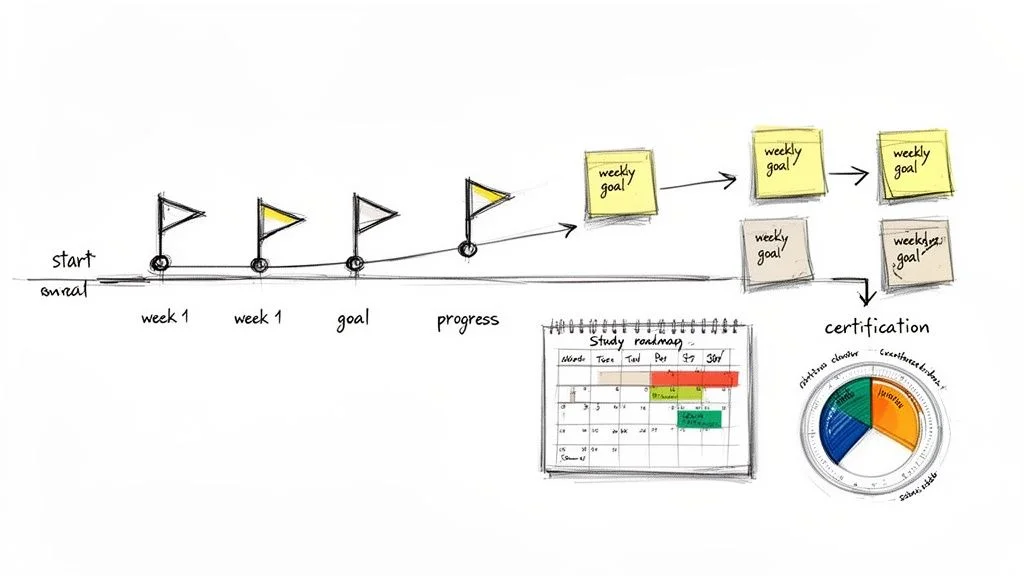 Figure 4: A well-defined study roadmap is crucial for IT certification success.
As the old saying goes, a goal without a plan is just a wish. This sentiment holds true when you prepare for high-stakes IT certification exams like the PMP or CISSP. Jumping into the material without a clear strategy is like trying to build a complex software application without a technical blueprint. You might manage to write a few working functions, but you will almost certainly waste time, miss critical dependencies, and end up with a foundation that fails under pressure.
This is why a personal study roadmap is an essential tool. It breaks down an ambitious and often overwhelming goal into a series of clear, actionable steps. A solid roadmap removes the guesswork from your daily routine. It helps you keep your momentum when your initial excitement begins to fade. Most importantly, it ensures you have covered every exam objective before you walk into the testing center.
Setting Your Deadline and Working Backward
The first step is to pick a target exam date. You need to be realistic about this. Choose a date that gives you enough time to actually learn the material rather than just memorizing it for a few days. This date acts as the anchor for your entire preparation strategy. Once the date is set, you can work backward to fill in the gaps.
Take the full exam curriculum—for example, the various domains found in the AWS Certified Solutions Architect – Associate—and break it into small, manageable pieces. Instead of looking at the exam as one giant mountain to climb, view it as a series of small hills you will cross each week. This phased approach makes the process feel less daunting and gives you a sense of achievement as you check off each section.
Use this simple method for organizing your study plan:
- Weekly Goals: Assign specific domains, modules, or chapters to every week of your plan. For instance, you might decide that "Week 1" is dedicated to AWS VPC and EC2 configurations.
- Daily Tasks: Break those weekly goals into smaller, daily actions. Your Monday might involve reading the documentation for VPC peering, while Tuesday is set aside for a hands-on lab where you deploy a public subnet.
- Buffer Time: Always leave a cushion of one to two weeks (verify current scheduling availability on the vendor site) before your exam. Use this period for final reviews, full-length practice tests, and focusing on any topics where your practice scores are low.
Designing Your Weekly Study Schedule
After you know what to study, you have to decide when the study will happen. Your schedule must be practical. It needs to reflect your actual life, not an impossible ideal. If you try to force yourself into a four-hour-a-night study habit after a long workday, you will likely quit within a week.
Be honest when looking at your calendar. Find consistent times that you can protect from distractions. This might be an hour in the morning before your family is awake, a few hours on Tuesday and Thursday nights, or a dedicated block on Saturday afternoons. The key factor here is consistency. Studying for one hour every day is often more effective than trying to study for eight hours once a week.
A successful study plan relies on consistent habits rather than short bursts of high energy. When you treat your study sessions like important work meetings, you build the rhythm required to pass with confidence.
Platforms like MindMesh Academy are built to help with this kind of structure. They provide a clear view of the entire course curriculum, let you track your progress module by module, and make it easier to map the content to your own calendar.
Using a Dashboard to Monitor Performance
A roadmap is only useful if you know exactly where you are on the path. This is why a progress dashboard is so helpful. Top online courses for IT certifications include detailed analytics that act as a GPS for your learning. These tools show you exactly what you have learned and where you need to spend more time.
A good dashboard gives you a high-level view of your performance across different exam domains. For a PMP candidate, this means seeing your scores in categories like "Initiating," "Planning," "Executing," "Monitoring & Controlling," and "Closing."
This data-driven feedback is powerful because it reveals your strengths and weaknesses immediately. You can see at a glance which areas need more attention. This allows you to change your plan on the fly and spend your time where it will have the biggest impact. By using this data, you stay in control of your progress and make sure every hour of study counts toward your final goal. This objective view keeps you from spending too much time on topics you already know and forces you to confront the difficult subjects you might otherwise avoid. Over time, watching your completion percentages rise provides a natural boost to your confidence as you approach test day.
Turning Your New Certification into Career Growth
*Video: How to Leverage Certifications for Career Advancement (placeholder for relevant content)*Passing your certification exam is a significant professional win. While it brings a sense of accomplishment, you should treat it as the start of a new phase rather than the end of your education. Earning a credential through online courses for IT certifications gives you the tools to build career momentum. The true value of your certification becomes clear when you use it to find new roles and move your career forward.
Think of your new certification as a specific tool that can help you secure job interviews and earn promotions. It provides a way to get assigned to more difficult and interesting projects. However, you are the person who must use that tool effectively. You must make your skills and your validated knowledge visible to people who influence your career path, such as recruiters, hiring managers, and your current supervisors.
Showcase Your Achievement Everywhere
Your first task after passing the exam is to let others know about your success. Do not be quiet about this qualification. It is a clear signal of your technical skills and your dedication to your professional growth. A single mention at the bottom of a resume is not enough to get noticed by busy hiring teams in a competitive field.
- Update Your LinkedIn Profile: As soon as you pass, add the certification to your "Licenses & Certifications" section. This part of your profile is important because recruiters use it to find candidates with specific skills, such as an "Azure Administrator" or "CompTIA Security+." Adding the credential here makes it easier for them to find you.
- Refresh Your Resume: Put a dedicated "Certifications" section near the top of your resume where it is easy to see. Most companies use software to scan applications before a person reads them. To make sure your resume passes these scans, focus on optimizing your CV for ATS. This helps the software recognize your new skills as a match for the job requirements.
- Share a Professional Post: Write a short update for your LinkedIn network. Describe what you learned and mention a specific project you finished during your online course. Showing that you are ready to use these new skills can get the attention of your professional network.
Visibility is necessary in the current IT market. The market for professional certificates, which is supported by online courses, is expected to grow to $6.81 billion globally by 2025 (verify current market data on industry research sites). This figure shows how much importance employers place on these credentials. You must market yours effectively to stay ahead of other candidates.
Articulate Your New Skills and Value
Having the certification is one part of the process, but explaining its value is a separate skill. In an interview, just saying you are certified will not always impress a manager. You need to show how your credential helps solve the specific problems the company is facing.
Be ready to answer questions about how you would use your new skills to solve technical problems. Your answer should be a clear explanation of your abilities rather than just a list of facts you learned for the test.
For example, do not just say you learned about cloud security. Instead, give a more detailed answer: "My CompTIA Security+ certification involved learning about threat mitigation and managing vulnerabilities. If I were working on a project like the one you described, I would use those skills to set up multi-factor authentication. I would also configure network firewalls to protect customer data. This approach follows the best practices found in NIST frameworks."
This type of answer proves that your certification represents real-world skills. It shows that you did more than memorize information to pass an exam. When you explain your achievements this way, your certification becomes a strong driver for your career growth.
Common Questions About IT Certification Courses
Starting the process of finding online courses for IT certifications usually brings up a few common questions. As you prepare to begin your studies, it is normal to wonder about how long you will need to prepare, how companies view these digital credentials, and what kind of effect a certificate will have on your career path.
Let's answer those questions with direct, practical information. Having clear facts helps you choose the right path and move toward your goals with more certainty.
How Long Does IT Certification Prep Typically Take?
The time required for study depends on the difficulty of the exam and how many hours you can spend on the material each week. For a foundational certificate like the CompTIA A+ (220-1201 and 220-1202) or the AWS Certified Cloud Practitioner (CLF-C02), most students finish their preparation in 4 to 8 weeks (verify these timelines against your specific course syllabus). This estimate is based on a schedule of about 5 to 10 hours of focused study time per week. These exams cover essential topics like hardware troubleshooting, cloud service models, and basic security protocols.
Professional-level certifications take more time because the material is more technical. If you are aiming for the PMP, the AWS Certified SysOps Administrator – Associate, or the CISSP, you should plan to study for 3 to 6 months (times vary based on your prior experience). Expert-level tests may require even longer commitments. A structured online course helps you stay efficient by organizing the topics logically. Many platforms now use study plans that adjust to your progress. These tools help you see which areas need more attention so you do not spend time reviewing things you already know.
Are Online Certifications Respected by Employers?
Yes, and they are becoming common in the technology industry. Most hiring managers care more about your actual skills and what you can do than where you learned the information. Reputable online courses for IT certifications are well-regarded because they prove you are committed to learning and keeping your technical knowledge current. Many companies now use digital badges that allow recruiters to verify your credentials instantly on professional networking sites.
The key distinction lies in choosing a course that focuses on practical skills rather than just theory. Look for programs that include thorough virtual labs and project-based assignments. These labs let you work in real software environments to solve technical problems, such as configuring a virtual private cloud or managing server permissions. This ensures you are not just memorizing answers to pass a test, but are ready to perform the duties of the job from your first day on the clock.
“Earning a national certification showcases your expertise in a specific area, making you a more attractive candidate in competitive fields. It demonstrates to employers that you are proactive about your professional growth and committed to mastering in-demand skills.”
Can a Certification Help Me Get a Job with No Experience?
A certification is a major advantage when you are trying to get into the IT field without a background in technology. It acts as a verified confirmation from a third party that you have reached a specific level of knowledge. It tells recruiters that you understand industry standards and have the discipline to finish a difficult training program. This is often what helps a resume get past automated tracking systems that scan for specific keywords.
The most effective online courses use virtual labs to help you build a portfolio of work. You can take the results of these projects and list them on your resume as technical experience. During an interview, you can describe the specific steps you took to complete a lab assignment or solve a simulated network failure. This is an excellent way to bridge the experience gap. If you combine a new certificate with a list of completed projects and active networking, you will have a strong case for getting your first IT job.
Are you ready to build your study plan and reach your professional goals? MindMesh Academy provides expert-led courses and adaptive learning tools. Our platform offers the support you need to learn difficult material, pass your exam with confidence, and grow your IT career. Explore our diverse range of certification courses today.
Ready to Get Certified?
Prepare for exams using study guides, practice exams, and spaced repetition flashcards from MindMesh Academy. These resources help you pass with confidence:

Written by
Alvin Varughese
Founder, MindMesh Academy
Alvin Varughese is the founder of MindMesh Academy and an enterprise architecture leader. An electrical engineer by training, he moved from factory automation in South Africa to cloud architecture at GE Appliances and Humana (Fortune 50), and holds 20 professional certifications including AWS Solutions Architect Professional, Azure DevOps Engineer Expert, and Microsoft Agentic AI Business Solutions Architect. He built MindMesh Academy after interviewing too many highly certified candidates who couldn't answer basic questions: the goal is prep that makes you better at the job, not just able to pass the exam.