Pass your certification exam — and actually remember what you learned.
You've put in the work. You deserve a study system that makes it count, not one more brain dump that fades by exam day.
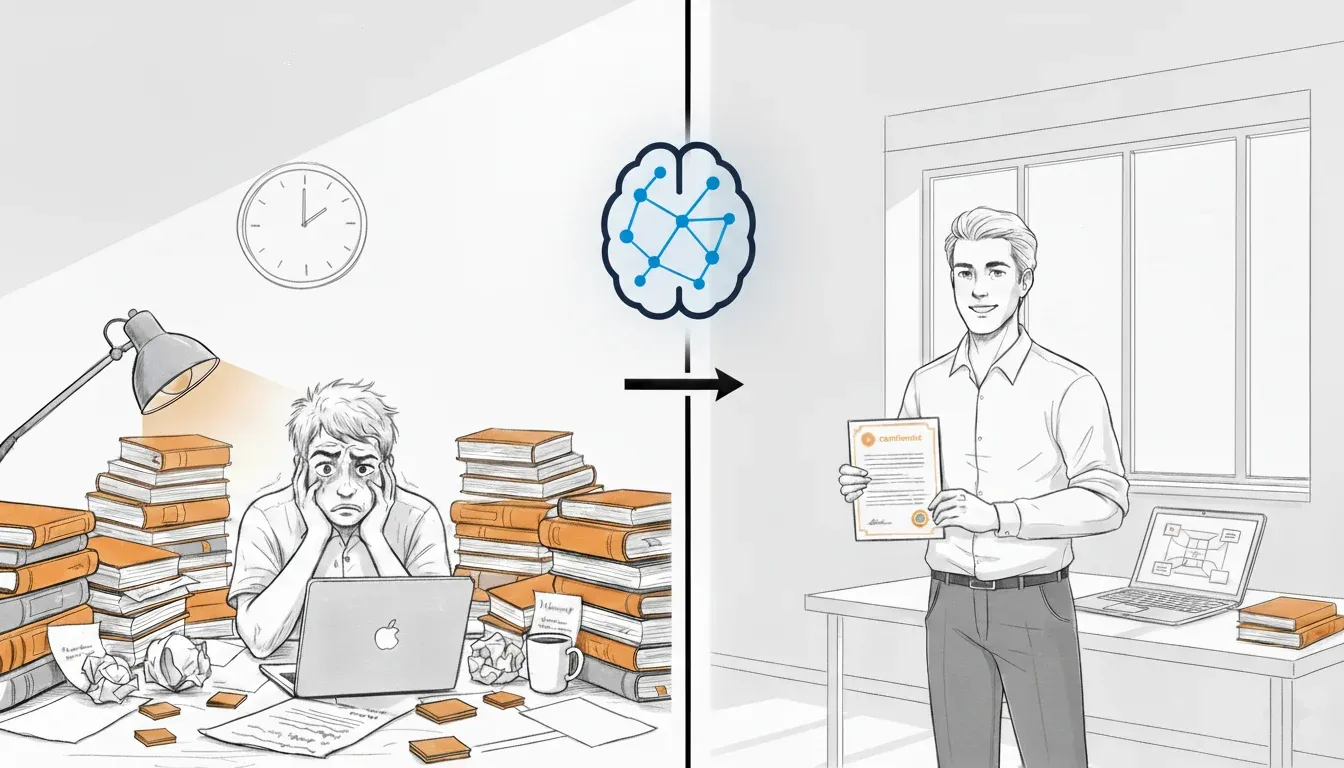
Start with free study guides, practice exams, and flashcards for every certification. Every answer counts. Enroll to unlock the full question bank and a learning journey tailored to your weaknesses.
We've Sat for These Exams Too
We know what it's like to stare at a 500-page study guide and wonder if you're even studying the right things.
That uncertainty — am I actually ready? — is the worst part. You can't cram your way past it, and most study tools don't solve it.

We built MindMesh Academy to replace that doubt with clarity.
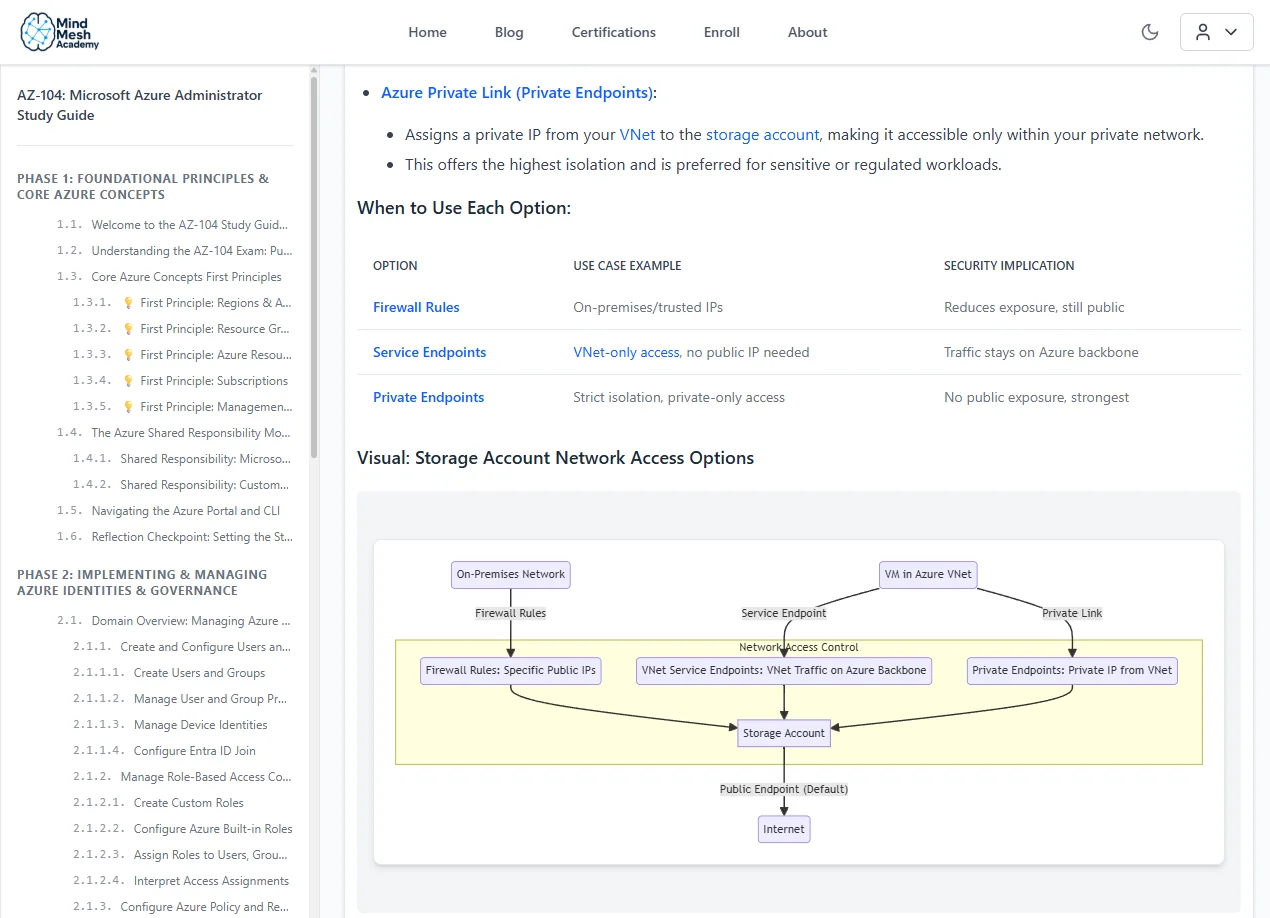
Our study guides distill the official syllabus into focused, structured content that builds real understanding — not just surface-level memorization.
Every section covers exam objectives efficiently so you spend your time learning what matters, not wading through filler.

Built by Alvin Varughese
Founder, MindMesh Academy · 20 professional certifications
After earning 20 certifications across AWS, Azure, and more — and watching most prep tools optimize for forgetting — I built MindMesh to help you actually retain what you learn.
Read my storyYour Plan to Pass
Pick Your Exam
Choose from 49 certification paths across AWS, Azure, CompTIA, and more.
Study Smarter
Work through study guides, practice questions, and flashcards that reinforce what you learn using spaced repetition.
Pass with Confidence
Walk into your exam knowing exactly where you stand — no surprises, no second-guessing.
See What You'll Be Working With
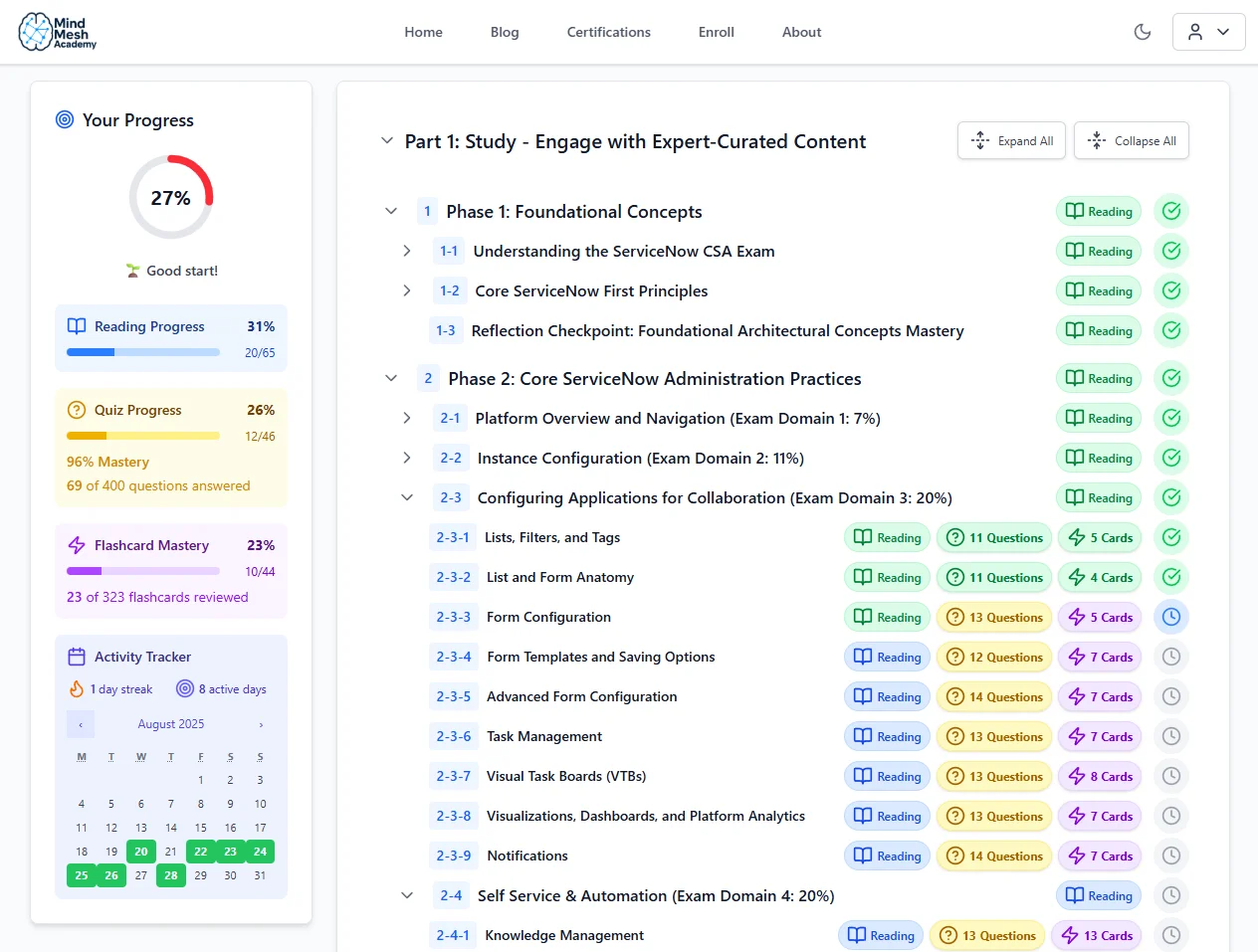
Track your progress through each topic so you always know where you stand.
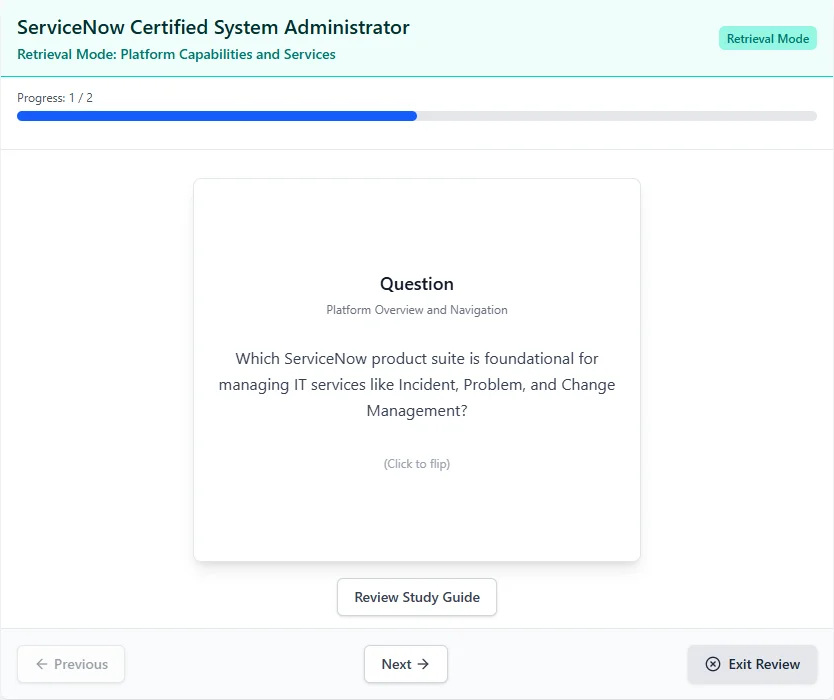
Everything You Need to Pass — Nothing You Don't
Study the Right Things
Stop wondering if you're covering what's actually on the exam
Scenario-Based Questions
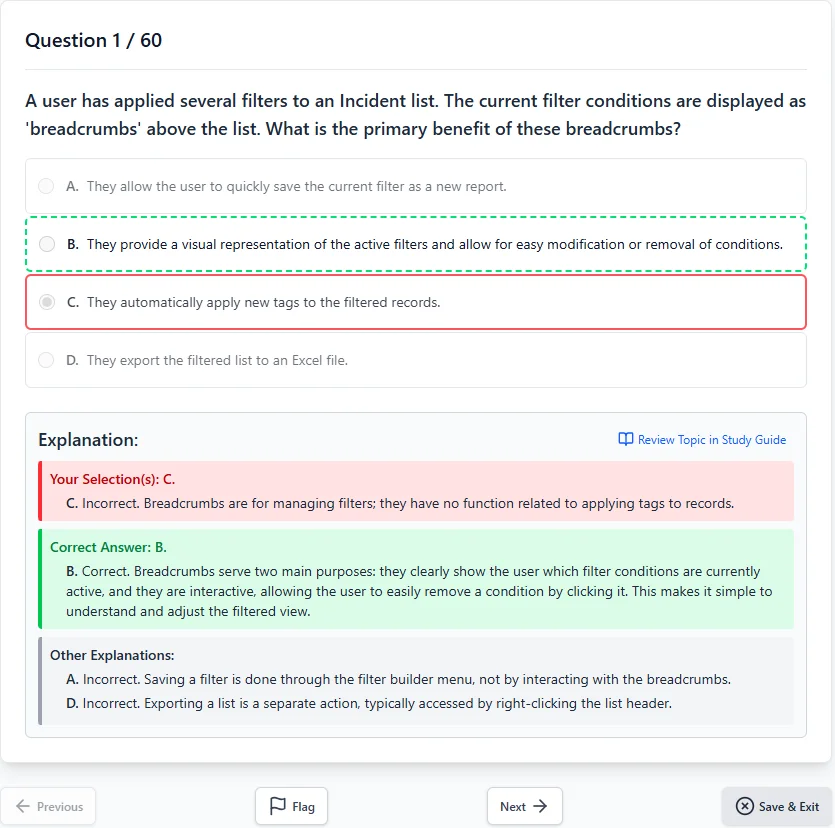
Practice questions written to match real exam complexity, with detailed explanations for every answer choice — correct and incorrect.
Connected Study Tools
Guides, quizzes, and flashcards that work together — pick up where you left off.
Remember What You Learn
No more brain dumps that fade the morning after
Spaced Repetition
Proven memory techniques that move concepts from short-term cramming into lasting knowledge.
Adaptive Practice
Questions target your weak spots so you stop wasting time on what you already know.
Know When You're Ready
Replace 'am I ready?' with a clear answer
Mastery Tracking
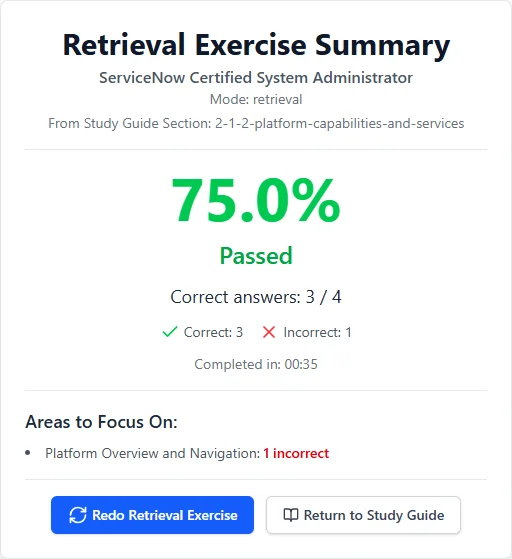
See exactly which topics you've mastered and which need more work.
Weakness Analysis
Detailed breakdowns by topic show you precisely where to focus next.
Why MindMesh Isn't Another Question Dump
Most prep sites give you a pile of questions and wish you luck. We built a system that tells you what to study, behaves like the real exam, and knows when you're ready.
Know you're ready before you book the exam
No more scheduling the exam on a hunch. Instead of a raw quiz score you're left to interpret, MindMesh turns your actual study data into one honest readiness number — one that won't inflate early and never tells you you're 100% ready when you're not. When it says you're ready, you can trust it.
Weighs 5 signals — scores, recall, coverage, trend & volume — dampened until the data earns it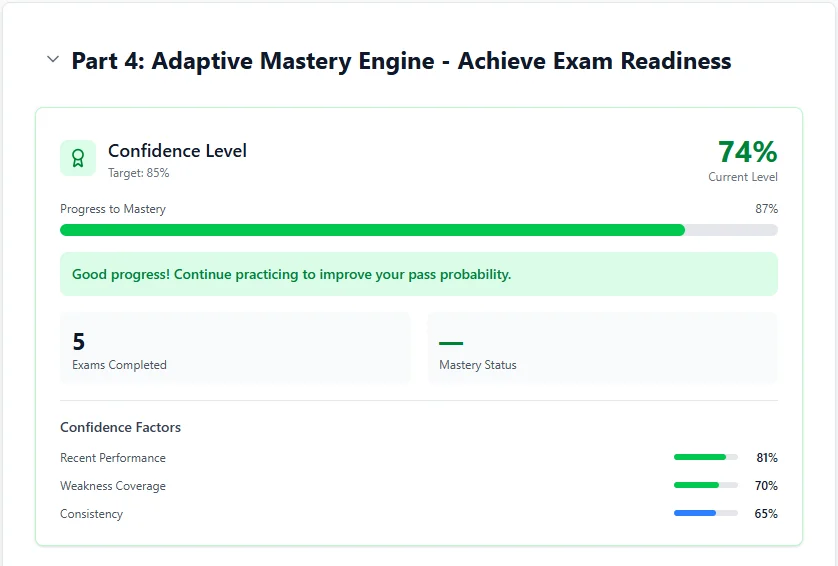
Questions that behave like the real exam
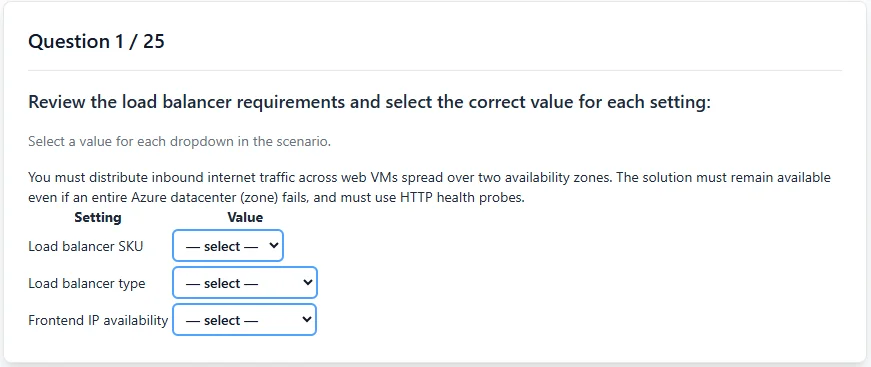
Drag-and-drop ordering, hotspot dropdowns, matching, build-lists, and case studies — the same interactive formats you'll face on test day. Up to 1 in 4 questions are performance-based, not plain multiple choice.
hotspot · drag-drop · ordering · matching · case study
One connected system, not four separate tools
Every study-guide section is wired to its exact flashcards and practice questions. Your quiz and flashcard results feed a personalized learning journey that always points you to the next thing to study.
guides ↔ flashcards ↔ quizzes ↔ journey
Content that's checked — and current
Every question bank goes through multi-pass AI review plus human expert validation before it ships. We track current exam objectives and cover brand-new material most sites haven't caught up to yet.
21,000+ questions · expert-reviewed · objective-aligned
Two Paths. One Choice.
Without a System
- Retake a $300+ exam you already studied for
- Spend another 3 months re-studying the same material
- Keep wondering "am I actually ready?" until exam day
- Explain to your team why the certification is delayed again
With MindMesh Academy
- Walk into exam day knowing you're ready
- Add the certification to your LinkedIn that week
- Apply what you learned on the job — not just on the test
- Move on to your next career goal instead of retaking
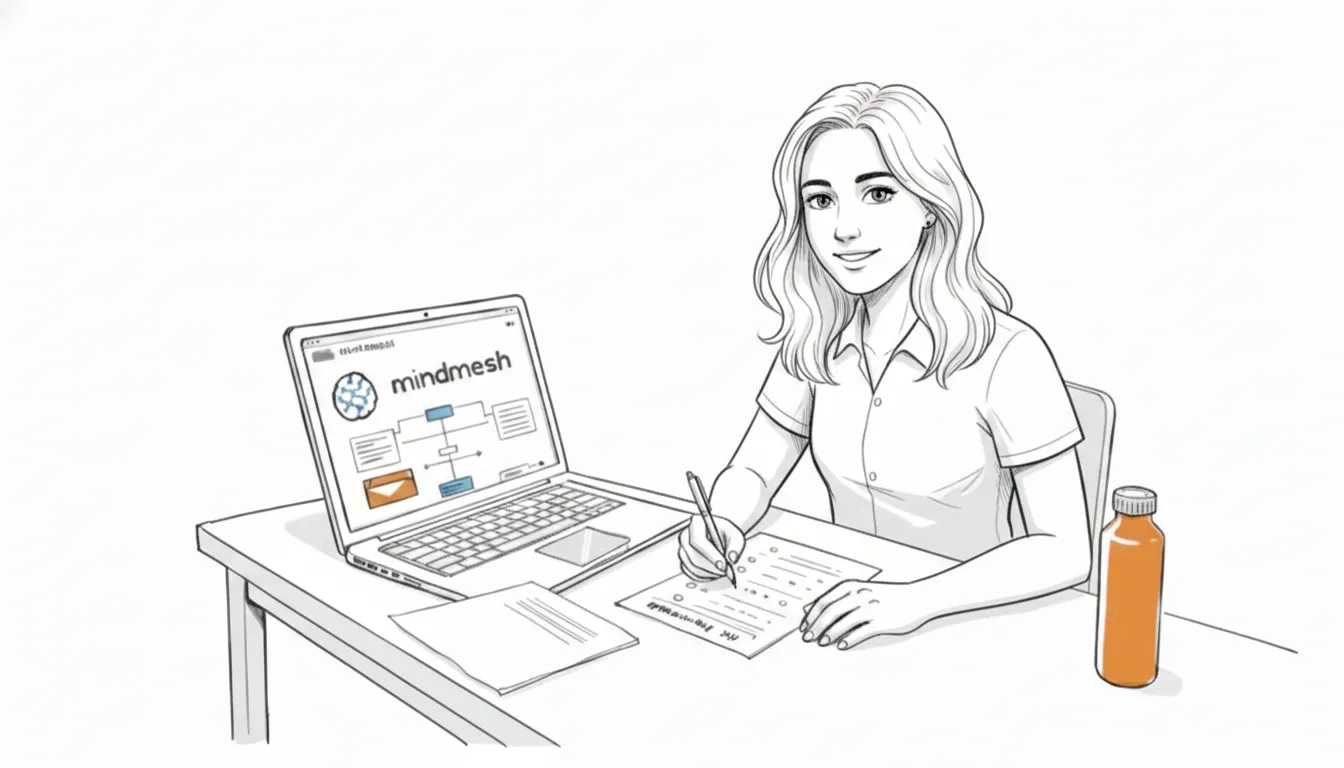
Imagine walking into your exam knowing you're ready — not hoping, not guessing, but knowing. That's what studying with a system feels like.
What Our Users Are Saying

"MindMesh Academy stands out for its structured, exam-focused learning system that combines study guides, practice questions, and flashcards into a single, connected workflow... What really differentiates it is the mastery tracking and detailed weakness analysis, giving users a clear, data-driven view of readiness instead of guesswork."

"Special shoutout to your unique training methodology of spaced repetition and thinking about the problem at hand instead of just memorizing a bunch of patterns — it has changed the way I approach these exams now! I can't imagine using any other method for getting exam ready other than MindMesh Academy!"

"I've found the MindMesh Academy platform to be highly effective: their structured study guides have helped me prepare for certification exams in a clear, organized manner, giving me the confidence to pursue and achieve first-attempt passes."
"I studied solely from this platform for my GH-300 exam and was able to clear it in a short span of time! This is an excellent guide for beginners with easy to understand language, on point questions after each section and the sample tests at the end are reinforcing."
Find Your Certification
Browse 49 certification paths from AWS, Azure, CompTIA, Cisco, and more. Each one comes with a study guide, practice questions, and flashcards.
Explore All Certifications





Frequently Asked Questions
Common questions about MindMesh Academy and how we help you pass.
Your Next Certification Doesn't Have to Be a Grind
Pick your exam, start studying smarter, and walk into test day ready.
Start Studying Now