Passing score PMP exam: What You Need to Know
PMP Exam Passing Score: What You Need to Know
IT professionals aiming for Project Management Professional (PMP) status often ask a single question: "What is the passing score?" To be clear, there is no fixed percentage required to pass the PMP exam. Years ago, the Project Management Institute (PMI) stopped publishing specific pass rates, such as the historical 61% figure. Any source promising an exact numerical target today relies on outdated data.
At MindMesh Academy, we recognize that professionals studying for high-stakes certifications want clear benchmarks. However, the current scoring system uses a sophisticated model. Instead of calculating a simple percentage, PMI assesses your overall competency across various domains. Success depends on your ability to handle specific project scenarios. Focus on mastering the underlying principles to be well-prepared for the actual test environment.
The Myth of the PMP Exam Passing Score
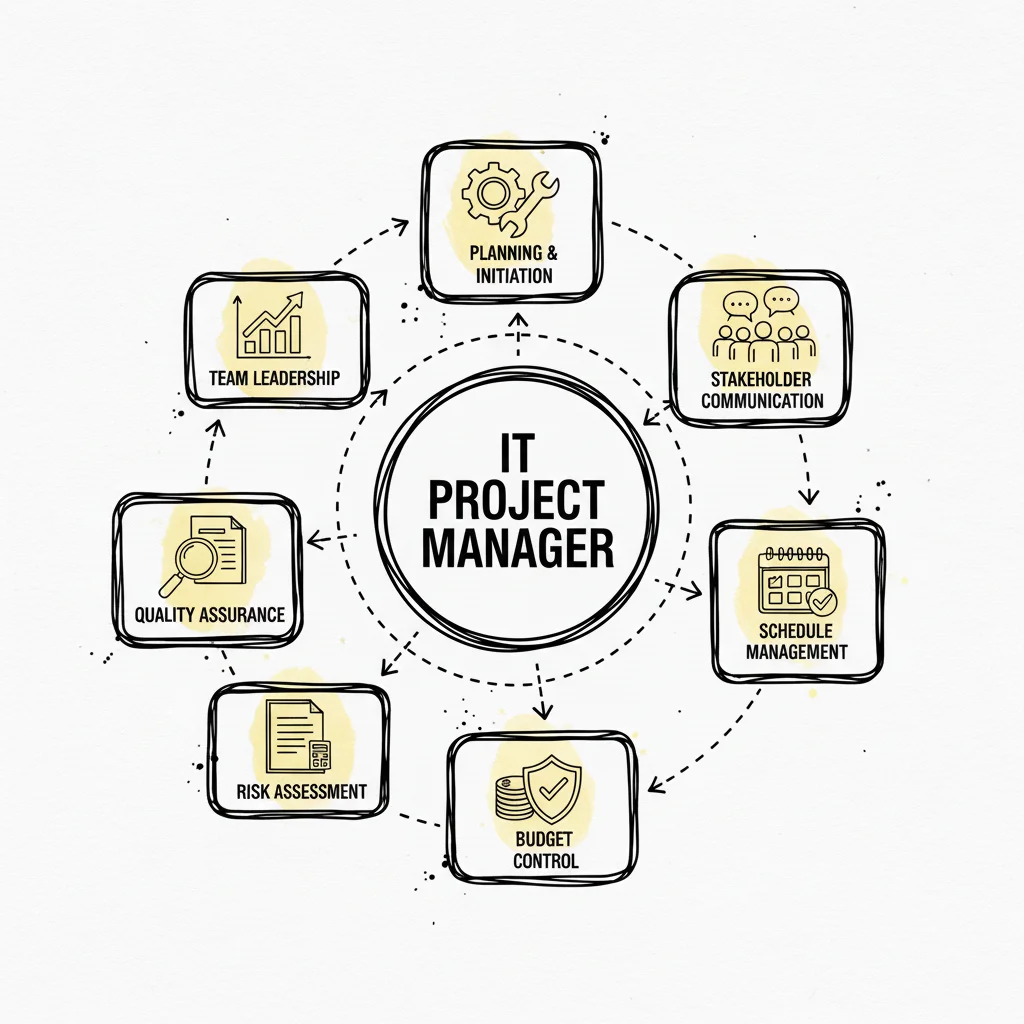
Many project management professionals find outdated forum threads or blogs claiming there is a specific "magic number" to pass the exam. This creates a false target. If you focus strictly on hitting a specific percentage, you might miss the chance to build the actual skills required for effective project leadership. The current reality is different than it was years ago. It is a more detailed and accurate reflection of your professional capability.
The PMP exam is less like a standard multiple-choice test and more like a high-fidelity flight simulator for a pilot. Pilots do not earn their licenses by simply getting 75% of their written questions right. They must prove they can handle various situations, from standard flight patterns to high-pressure mechanical failures. They have to show they are ready for the job before they get the keys to the cockpit. The exam doesn't just test if you can remember the names of the buttons; it tests if you know when and how to press them when things go wrong.
From Simple Percentages to Psychometric Analysis
The PMP exam follows this same logic. The Project Management Institute (PMI) uses a specific methodology called psychometric analysis to see if a candidate meets the certification standard. While the term sounds academic, its function is simple. It ensures that every person taking the test is judged against the same professional benchmark. It does not matter which specific set of questions you get from the database; the standard stays the same. This system removes the luck factor that used to exist when some candidates might have received "easier" versions of the exam.
This scoring method is standard across the industry. Other high-level IT certifications, such as those from AWS, Microsoft Azure, and ITIL, use this same method. They want to see if you can apply your knowledge to solve problems instead of simply repeating facts from a book. By using psychometric analysis, PMI can confirm that everyone who earns the PMP title has reached the same high level of professional proficiency.
PMP Exam Scoring At a Glance
| Scoring Aspect | Historical Method (Pre-2006) | Current Psychometric Model |
|---|---|---|
| Pass/Fail Basis | Based on a fixed percentage (e.g., 61% correct answers). | Determined by overall demonstrated competency against a set standard. |
| Question Value | All questions were weighted equally. A correct answer was a point. | Questions have different difficulty levels. Harder questions carry more weight toward the final result. |
| Fairness | Could be unfair if one candidate received an unusually hard set of questions, impacting their fixed percentage. | Balances exam difficulty, ensuring all candidates face a statistically similar challenge level. |
| Focus | Encouraged memorization of facts and processes to hit a target percentage. | Measures the ability to apply knowledge, critical thinking, and judgment in realistic, complex scenarios. |
This modern approach offers several clear benefits for you and for the value of the PMP credential itself.
- It accounts for question difficulty. Not all test items are equal. If you correctly answer a complex, multi-part scenario about resource allocation or conflict resolution, you demonstrate more skill than someone who identifies a basic definition. The system rewards you for handling the hard parts of project management.
- It ensures fairness. Every test-taker receives a different set of questions from a large pool. Psychometric standardization ensures that if you get a "harder" set of questions, the system adjusts to keep the difficulty level equal to others. You are never at a disadvantage because of the specific questions you drew from the bank.
- It measures real-world readiness. This approach evaluates how you use project management principles in practical situations. This is what employers look for. They want to know you can lead a team through a project, instead of just knowing how to pass a memory test.
You need to change your perspective on preparation. Instead of asking what the minimum passing score is, you should ask if you have mastered the skills of a project manager who can deliver consistent value. This shift in focus is the key to passing the PMP and finding success in your career.
Because scoring depends on difficulty and competency, your study habits should also change. Trying to hit a specific numerical target is a waste of your energy. The goal is to build a solid, well-rounded understanding of every domain in the PMP syllabus. If you want a more detailed look at how to prepare, you can learn more about how to pass the PMP exam with our targeted study tips. This will help you prepare for whatever the exam throws at you. You will be ready for the test like a pilot is ready for changing weather.
A Look Back: How PMP Exam Scoring Has Changed
To understand why no magic number exists for the PMP exam today, look at the history of the test. For decades, the rules were clear and public. Candidates simply had to reach a specific percentage of correct answers to pass. While this system was easy to follow, it often failed to measure practical skill or fairness. This eventually forced PMI to change how they evaluate project managers.
Earlier PMP scoring was very predictable. Knowing the exact target percentage made studying feel like cramming for a college final. The main problem was that a fixed number encouraged memorizing facts instead of understanding how to lead a project. This transition matches how leading IT certifications now measure practical application instead of theory.
The Era of the Fixed Percentage
For years, a single number defined the PMP. Before 2005, the PMP Handbook stated that candidates needed to get 61% of the questions right to pass. This target became so well known that it still appears in outdated blog posts and online forums. It remains a common point of confusion for new students who are looking for a clear goal.
A short, unstable period occurred in mid-2005. PMI suddenly raised the passing score to 81%, making the exam much harder instantly. This change caused significant pushback from the project management community. In response to this feedback, PMI changed the score back to 61% by December 2005. This volatility showed that a fixed percentage was an unstable way to measure ability. It marked the start of a move toward more sophisticated evaluation methods.
By 2006, PMI stopped publishing any specific passing score. This policy is still in effect today. If you want to see the finer details, looking at a timeline of PMP changes provides more historical context. This shift ensured the exam could evolve without the constraints of a single, public number.
Why PMI Ditched the Public Score
Moving away from a public percentage was a choice to protect the value of the certification. A single target number created several problems that made the credential less useful for employers:
- It encouraged "teaching to the test": When a specific number is the goal, both students and instructors focus on meeting that exact threshold. This results in rote memorization of terms rather than an understanding of how those tools work in the field. Training becomes about passing a test instead of becoming a better professional.
- It ignored varying exam difficulty: Every test is slightly different because questions are pulled from a large database. A rigid percentage target would be unfair to a candidate who receives a more difficult set of questions than another person.
- It failed to reflect real-world competence: Good project managers do more than recite terms. They apply knowledge and solve problems in messy environments. PMI wanted the test to prove that a candidate could actually do the work.
By removing the fixed score, PMI changed the exam from a memory test into a real assessment of ability. This ensures the PMP stays a global benchmark for expertise. It requires candidates to prove they can do more than just remember facts.
The move was necessary to keep the PMP relevant. It forced candidates to stop asking about a specific score and start proving they could lead. Today, the focus is on whether you are ready for the responsibilities of a project manager.
This change required a better way to score tests. PMI needed a system that measured ability regardless of which questions appeared on a specific test. This need led to the current psychometric model. This approach ensures that every candidate meets the same professional standard. It keeps the certification fair for everyone who takes it.
How PMI Actually Calculates Your PMP Score
Let’s look at how the Project Management Institute (PMI) determines if you pass the PMP exam. Since there is no single magic number, candidates often struggle to understand the mechanics behind their results. The answer lies in a scientific method called psychometric analysis.
While the term sounds technical, the basic idea is straightforward. Passing is not about hitting a fixed percentage of correct answers. Instead, it is about proving you have the specific skills required of a project manager. This method is standard for advanced professional certifications, such as those for IT architects or cybersecurity specialists. In these fields, the ability to apply knowledge in varied, difficult situations is essential.
Think of the exam like a high-level strategy game. You do not earn the same amount of experience for finishing a basic task as you do for solving a major crisis. The PMP exam follows a similar logic. Some questions carry more weight than others based on the level of difficulty and the specific skills they test.
It’s Not Just How Many You Get Right, But Which Ones
The fundamental basis of the psychometric model is that every question contributes differently to your total score. This depends on how difficult the question is and how well it aligns with critical PMP skills. A direct question asking for a definition is a low-level task. On the other hand, a complex scenario that requires you to analyze multiple processes and make a professional judgment is a high-level task. These "heavyweight" questions have a much larger impact on your final result.
This is why counting correct answers on a practice test can be misleading. A 70% score on an easy practice set might be worth less than a 60% score on a very difficult one. Simply reaching a number does not always mean you are ready for the actual test environment.
Who decides which questions are difficult? PMI organizes panels of experienced, PMP-certified professionals from different industries and parts of the world. These experts thoroughly review and rate every question. This process creates a reliable baseline for the knowledge and judgment a project manager must have. It ensures the exam stays focused on real-world challenges rather than just theory.
The image below shows how the PMP scoring philosophy has changed over several years.
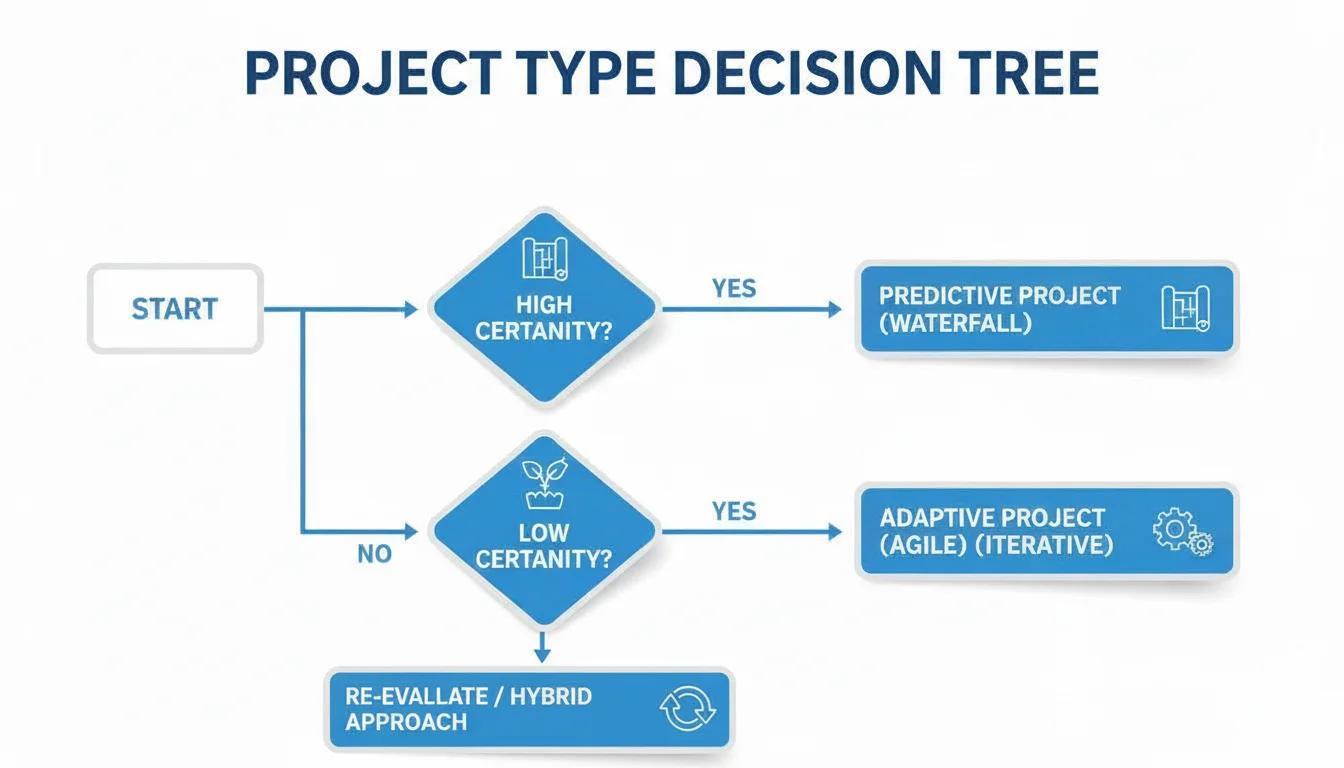
The exam has moved past the era of a fixed 61% pass mark. It also moved away from the short, extremely difficult period where the target was 81%. The current system is more dynamic and fair. It focuses on professional skill rather than a static number.
Defining the "Cut Score"
Using the data gathered from expert panels, PMI sets a "cut score." This is not a percentage. It is a specific threshold on a proficiency scale. This threshold represents the minimum level of skill needed to earn the PMP certification. Your goal on exam day is to show that your ability meets or exceeds this limit.
The PMP exam asks one main question: "Does this person have the skills and judgment needed to lead projects in the real world while following global standards?" The focus is on practical skill, not hitting a random number.
This system explains why two people might get the same number of correct answers, yet one passes while the other fails. The difference is the difficulty of the specific questions each person answered. The person who correctly handles more of the difficult, high-value questions is the one who meets the standard.
Since PMI no longer publishes a specific passing score, modern estimates suggest that showing skill in the 60–65% range on a high-quality practice exam might indicate you are ready. However, this is only an estimate. You can read more about how question difficulty impacts PMP results to see how weighting affects the outcome. Aiming for a specific percentage is rarely an effective strategy.
How This Should Change Your Study Plan
The PMP exam values deep understanding over memorizing facts. Knowing this should change how you prepare. Your goal is not to collect definitions. It is to learn how to apply principles when project situations are unclear or difficult.
- Focus on Scenarios: Spend most of your study time on situational questions. These mirror the style of the actual exam. They require you to think critically and choose the best path forward in a specific context.
- Identify Weak Spots: Use your practice test data to find the specific areas where you struggle. If you consistently miss questions about risk or procurement, spend extra time mastering those specific topics.
- Understand the Rationale: Do not just learn what a tool is. You must understand why it is used and when it is the right choice. Ask yourself how you would pick one process over another if the project environment changed.
Reflection Prompt: Think of a difficult technical problem you solved recently, such as fixing a cloud deployment or managing a major software update. Was your success based on knowing one fact, or was it based on using multiple principles, diagnosing the root cause, and making a hard choice? The PMP exam tests that same type of applied logic.
The psychometric model rewards real expertise. It identifies project managers who can think clearly and lead with confidence. That is exactly the type of professional the PMP certification is meant to verify. To be well-prepared, you must move beyond the "pass/fail" mindset and focus on how you handle the specific challenges presented in each question. Consistency in difficult areas is more valuable than a high score on easy material.
Decoding Your PMP Exam Performance Report

When the exam timer reaches zero and your results appear, PMI provides a detailed performance report. This document serves as a specific guide for your professional growth, regardless of whether you passed. It does not show a simple percentage or a raw score. Instead, it breaks down your performance across the three core domains defined in the Exam Content Outline: People, Process, and Business Environment.
This report functions as a post-game analysis from a professional coach. It moves past the binary pass or fail result to show exactly where your technical skills are strong and where they are weak. This data is essential if you need to retake the exam, as it creates a specific map for your next study phase. By reviewing these results, you can stop guessing which chapters to reread and start focusing on the specific tasks where you fell short.
Understanding the Four Performance Ratings
The performance report categorizes your work in each of the three domains using four specific ratings. Learning what these ratings signify is the first step toward using the feedback to improve your project management skills.
A useful way to view these categories is to imagine a coach evaluating a basketball player’s performance in dribbling, shooting, and defense. Each area receives a separate grade based on established professional standards.
-
Above Target: This is the highest possible rating. It means your performance was significantly higher than the passing requirement for that domain. In the basketball example, this is the player who makes every shot and directs the team perfectly under pressure. You have demonstrated a high level of expertise that exceeds the basic expectations for a certified project manager.
-
Target: This rating indicates a proficient level of performance. It is the benchmark candidates should aim for in every category. It shows you have met the requirements and demonstrated the competence PMI expects from a practitioner. This is the reliable player who executes the fundamentals correctly and meets all the standard goals of the game.
-
Below Target: This rating shows that your performance was lower than the minimum acceptable standard for that domain. While you may have answered many questions correctly, your total score in this area was not enough to meet the passing threshold. It is a clear sign that you need more study in this specific domain. It is like a player who struggles with defense, creating a weakness that the rest of the team must cover.
-
Needs Improvement: This is the lowest rating. It identifies a major gap in your knowledge or skill set within a domain. A score here suggests you were well below the professional standard. In basketball, this player would need to return to basic drills to learn the rules and movements before they are ready for a competitive game.
How Domain Performance Creates Your Final Result
PMI does not determine your pass or fail status by looking at one domain in isolation. Instead, the board evaluates your total performance across all three areas. You do not have to achieve "Above Target" in every section to pass, but a balanced score is the most certain way to succeed. Aiming for at least a "Target" rating in People, Process, and Business Environment is a safe strategy.
The current exam evaluates your general capability to lead projects. High scores in the largest domains can sometimes balance out a lower score in a smaller one, but consistency across all three domains is the most effective way to ensure you pass the test.
For instance, the Business Environment domain represents only 8% of the exam questions. If you receive a "Below Target" rating there, you can still pass if you perform well in the People domain (42%) and the Process domain (50%). However, the Process domain covers half of the entire test. If you score "Below Target" in Process, you create a massive point deficit that is very difficult to overcome, even if you do well elsewhere. Your final result is a weighted calculation of all three domains.
This feedback system encourages you to stop looking for a secret passing percentage. It directs your attention to building specific professional skills that apply to real-world projects.
At MindMesh Academy, the student dashboard follows this same feedback structure. When you take our practice exams, the system tracks your scores across these three PMP domains. This allows you to see your "Below Target" areas early in your preparation. You can then use targeted practice to fix those gaps and build the skills PMI requires before you sit for the actual exam.
Preparing Strategically Without Chasing a Score
Once you discard the myth of a "magic percentage," your path toward PMP preparation becomes much clearer. When you stop chasing an arbitrary number, you can focus on the variables you actually control: your understanding of the material and your individual knowledge gaps. This transition shifts your focus from abstract theory to direct action. Effective preparation relies on objective data rather than guesswork. You are not just cramming to hit a hidden threshold; you are building the professional skills required for the role. Readiness comes from identifying weaknesses and turning them into strengths. This allows you to walk into the testing center with confidence. This method works for the PMP and other professional certifications where you must apply logic to real-world scenarios.
A Data-Driven Approach to PMP Prep
Successful PMP candidates treat their study period as a formal project. They establish a baseline, identify high-risk domains, and execute a plan to reach proficiency. The official PMI performance report provides this feedback after the exam, but a strong study strategy gives you this data much sooner. Using a modern platform allows you to find and fix issues long before you sit for the test. This prevents surprises on exam day. This structured method is more effective than reading the PMBOK® Guide from start to finish and hoping the information sticks.
Leading platforms provide dashboards that show your performance across the three domains: People, Process, and Business Environment. This visual feedback shows exactly where you are strong—at the Target or Above Target levels—and where you are Below Target. This makes your study time more efficient because you know exactly where to put your effort. Instead of reviewing material you already know, you can zero in on the topics that are actually holding you back.
From Below Target to Exam Ready
A "Below Target" score on a practice test is a useful data point. It acts as a clear signal for where you should spend your energy. A good study plan uses this information to build a strategy for improvement. This ensures every hour you spend studying provides the most benefit.
Here is how to turn that data into results:
- Isolate the Weak Domain: If you score "Below Target" in the Process domain, make it your priority. This domain accounts for 50% of the exam, so a weakness here is a major risk to your success. Review the specific tasks within the domain to see where your logic fails.
- Drill Down into Subtopics: Determine exactly where you are struggling within that domain. Is it risk management, procurement, or stakeholder engagement? Identify the specific topic to focus your review.
- Utilize Focused Practice: Set aside study sessions for these subtopics. Take practice questions and simulations that force you to apply these concepts in different situations. This builds your practical understanding and ensures you can handle the question regardless of how it is phrased.
The goal is not perfection in every single topic. You want a balanced level of skill across all domains, ensuring no single area is weak enough to pull down your total score. Aim for the "Target" level in every category.
This approach is more effective than taking full-length practice exams repeatedly. A structured plan, like the one in our PMP certification study plan guide, helps you manage your time and ensures you cover all the necessary material. It is about studying smarter.
Building Competence with Evidence-Based Techniques
Effective learning platforms use specific techniques to help you fix weak areas. These tools do more than just point out errors; they provide the means to correct them. Techniques like spaced repetition ask you to review hard concepts at specific intervals. This helps move information from your short-term memory to your long-term memory. You will not just memorize facts for a day; you will actually understand and retain them.
Adaptive learning paths also help by changing based on your performance. If you master a topic, the system gives you harder questions. If you struggle, it provides more basic practice until you are ready to move on. This ensures your study time is spent on the topics you need most. This process builds real skill and the confidence needed to pass the exam. You are no longer guessing if you are ready; you have the data to prove it.
Common Questions About the PMP Passing Score
Even after you learn that PMI no longer uses a flat passing percentage, you might still feel uneasy about how the PMP exam is graded. This is a normal reaction. Understanding the underlying logic of the scoring system is a practical step in your preparation. It changes how you prioritize your study time and helps you handle the pressure of the test center with more composure.
Let’s address the most frequent questions candidates ask about the scoring mechanics and what those mechanics mean for your study plan.
Can I Pass with a Below Target Score in One Domain?
Yes, it is possible to pass with a "Below Target" rating in one domain, but doing so is risky. The PMP exam evaluates your total performance across the entire test rather than requiring you to meet a specific threshold in every individual section. A strong performance in one area can offset a weaker result in another, allowing you to reach the overall passing mark.
However, you have to look at the weight of each domain to understand the danger of underperforming. The exam content is divided into three specific areas:
- Process: This is the largest domain, representing 50% of the questions you will see. It covers the technical aspects of managing a project from start to finish.
- People: This area focuses on leadership, team building, and conflict management, making up 42% of the test.
- Business Environment: This is the smallest segment, accounting for just 8% of the total questions.
Because of this distribution, a "Below Target" in the Business Environment domain is relatively easy to overcome. If you score "Above Target" in the People and Process sections, that 8% deficit will not stop you from earning your certification.
In contrast, receiving a "Below Target" in the Process domain is often a terminal blow to your score. Since that domain represents half of the exam, a poor performance there creates a massive point deficit. To pass after failing the Process section, you would need nearly perfect scores in the remaining domains. Most candidates who fail do so because they did not master the Process requirements. Your best approach is to aim for a "Target" rating in all three areas to ensure you meet the standards PMI has established for project professionals.
What Score Should I Aim for on Practice Exams?
Since PMI does not disclose the exact passing percentage for the PMP, many students look for a reliable benchmark. When you use high-quality, scenario-based simulators, you should aim for a consistent score in the 75% to 80% range. Do not view this as a literal passing score, but rather as a safety margin that indicates you are ready for the real test.
If you hit these numbers regularly on your first attempt at new practice tests, it shows you have a firm grasp of the material. This level of performance usually translates to a "Target" or "Above Target" result on the actual exam. Scoring at this level also provides a buffer against the variables of the testing day. Most people find that the stress of the actual exam environment—the timer, the proctor, and the unfamiliar room—can cause their performance to dip slightly compared to their scores at home. By achieving an 80% during your studies, you ensure that even a slight dip in performance will not drop you below the passing threshold.
How Do the Unscored Pretest Questions Affect My Score?
These questions do not affect your final result at all. The PMP exam consists of 180 total questions, but your pass or fail status is calculated based on only 175 of them. The other five questions are "pretest" items that PMI is testing for future use. They want to see how candidates respond to these questions before they decide to include them as scored items in later versions of the exam.
These unscored questions are mixed randomly throughout the test. There is no way to identify them. They look exactly like the scored questions and cover the same topics. Because you cannot tell which ones are being monitored, you must treat every single question as if it counts. Do not spend time trying to guess which items are pretest questions; that only wastes time and breaks your concentration. Focus on maintaining your pace and answering all 180 questions to the best of your ability.
Does Everyone Get the Same PMP Exam?
No. Every PMP candidate receives a unique version of the exam. PMI uses a large, secure bank of questions to generate a different set for every person who sits for the test. This ensures the security of the exam and prevents people from memorizing specific question sequences.
This variety is why the psychometric scoring model is necessary. It ensures that the exam is fair regardless of which questions you receive. For instance, your exam might have more questions about agile methodologies, while another person's exam focuses more on traditional predictive methods. One version might have more wordy scenarios, while another is more direct.
The psychometric model accounts for these differences by adjusting the difficulty rating. If your specific set of questions is statistically more difficult than average, the system adjusts to ensure you aren't penalized. This guarantees that a "Target" rating signifies the same level of expertise for every professional. To see how these different question styles look in practice, you can review our guide on PMP exam questions and answers. This standardized system is what makes the PMP credential respected by employers worldwide.
At MindMesh Academy, we believe that preparing for the PMP requires a focus on actual project management logic, not just chasing a percentage. Our dashboard provides a clear view of how you are performing in the People, Process, and Business Environment domains. This helps you find your weak areas early so you can turn them into strengths before you arrive at the testing center. We use proven techniques like Spaced Repetition and adaptive learning paths that react to your progress. These tools help you build the competence and the confidence needed to pass your PMP exam and succeed in your professional career.
Ready to Get Certified?
Study with our expert-curated study guides, practice exams, and spaced repetition flashcards at MindMesh Academy for your exam:

Written by
Alvin Varughese
Founder, MindMesh Academy
Alvin Varughese is the founder of MindMesh Academy and holds 18 professional certifications including AWS Solutions Architect Professional, Azure DevOps Engineer Expert, and ITIL 4. He's held senior engineering and architecture roles at Humana (Fortune 50) and GE Appliances. He built MindMesh Academy to share the study methods and first-principles approach that helped him pass each exam.