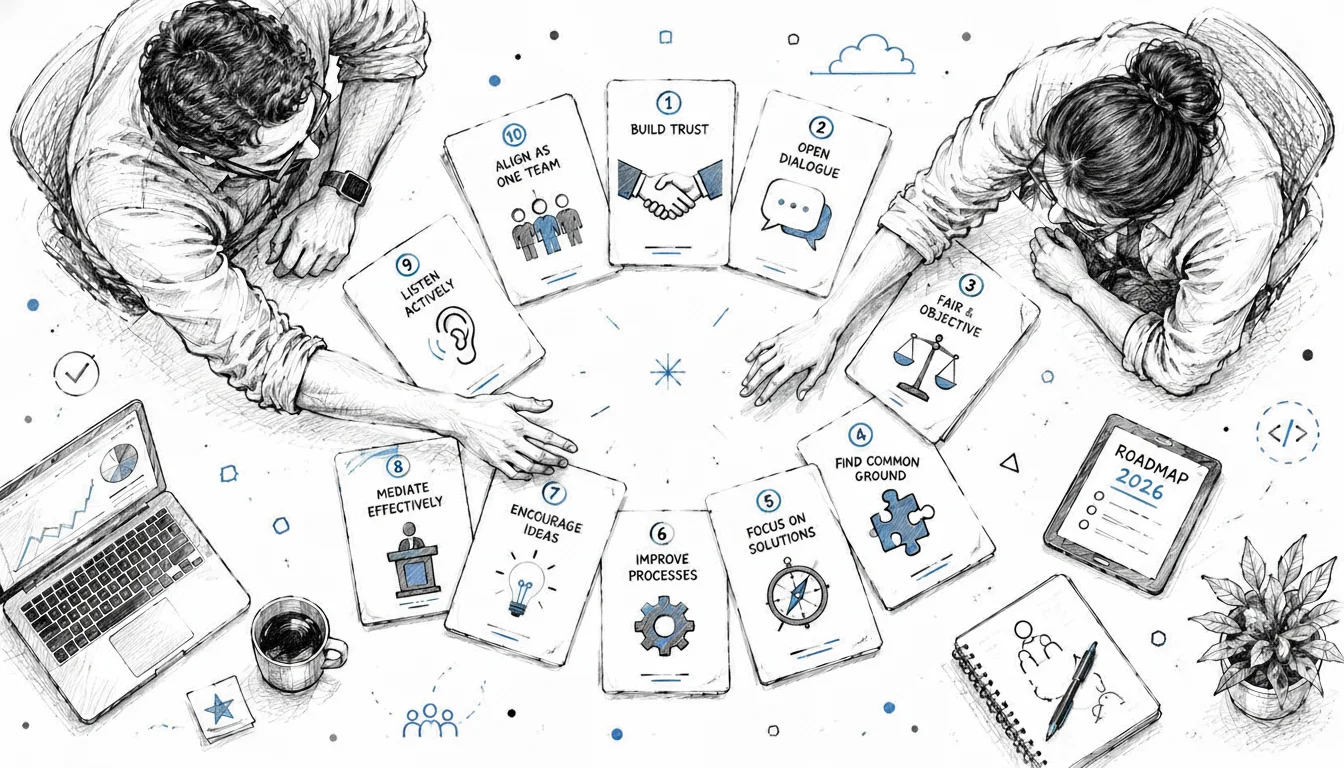
10 Conflict Resolution Strategies for IT Teams in 2026
10 Conflict Resolution Strategies for Modern IT Teams
Two senior engineers are deadlocked over an architecture choice, and the release train is stalled. One wants a clean microservices split before launch. The other wants to stabilize the monolith, ship, and refactor later. Meanwhile, the product manager is asking for dates, the on-call lead is worried about blast radius, and everyone in the room thinks they're being “the reasonable one.”
That scene plays out in IT teams every week. It shows up in code reviews, cloud cost debates, incident retrospectives, certification budgets, study-group expectations, and arguments over who gets protected focus time before an AWS or PMP exam. Technical disagreements rarely stay purely technical for long. Once people feel ignored, cornered, or publicly challenged, the conflict changes shape.
That's why conflict resolution strategies matter in IT. They help teams ship safely, protect relationships you still need next sprint, and stop small frictions from turning into rework, burnout, or political grudges. The Thomas-Kilmann Conflict Mode Instrument provides a useful foundation here by framing conflict around assertiveness and cooperativeness, then mapping five modes: competing, collaborating, compromising, avoiding, and accommodating. The value isn't picking one favorite mode. It's matching the response to the moment, as outlined by Harvard Program on Negotiation's overview of conflict resolution strategies.
Below are ten approaches that work in real IT environments, including scripts, scenarios, and the trade-offs people usually learn the hard way.
1. Collaborative Problem-Solving
When an issue is important and the relationship also matters, collaboration beats “winning.” I'd use this approach when two teams are fighting over deployment windows, or when a manager and engineer disagree on how much work time can go toward certification prep without hurting delivery.
The biggest mistake is starting with positions. “We need Kubernetes now” and “We are not touching the platform this quarter” sound final, but they usually hide underlying interests. One side may want scalability and cleaner ownership. The other may want operational stability and a realistic support model.
What it sounds like in practice
A better conversation sounds like this:
Practical rule: Ask, “What problem are you trying to solve with that approach?” before arguing about the approach itself.
That question changes the room. Once interests become visible, hybrid solutions appear. You might keep the current deployment model for the next release, isolate one high-change service first, and define objective rollback criteria before expanding the architecture shift.
This same pattern works for learning conflicts. A team may want everyone certified this year, while engineers need workable study schedules. Jointly designing a plan with protected prep blocks, rotation coverage, and access to MindMesh Academy certification courses is far more effective than handing down a vague “upskill more” mandate.
For teams that need a concrete collaboration lens, these strategies for group problem solving complement technical decision-making well.
- Name the shared outcome: “We both want a release that's stable and maintainable.”
- Separate interests from demands: “You want faster deploys. You want fewer overnight incidents.”
- Brainstorm before judging: Put three or four options on the board before anyone attacks one.
Collaboration takes time. Don't use it when the issue is trivial or urgent. But when the outcome is critical and people need to keep trusting each other after the meeting, it's often the best investment.
2. Active Listening and Empathetic Communication
Many IT conflicts aren't caused by bad intent. They start because someone heard “your idea is weak” when the speaker meant “your rollback plan is incomplete.” Active listening closes that gap before it becomes a loyalty test.
Put this into action early.
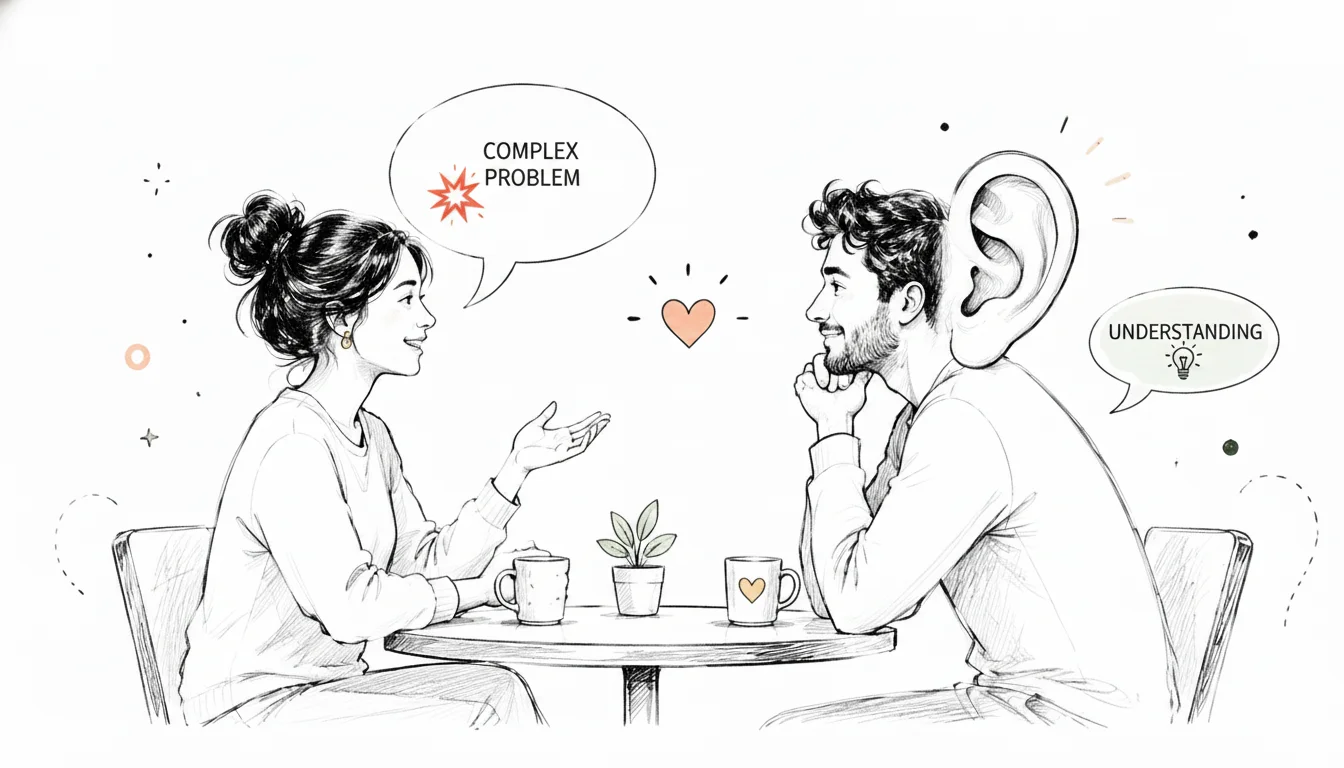
In practice, active listening means you stop composing your rebuttal while the other person is still talking. You reflect back what you heard, test your understanding, and acknowledge the impact even if you don't agree with the conclusion. In a post-incident review, for example, an SRE might say, “What I hear you saying is that the late config change made the rollback harder, and you felt the risk was dismissed.”
A script that de-escalates fast
Use simple language:
- Reflect the point: “What I hear you saying is that the deadline changed the quality bar.”
- Acknowledge the emotion: “That sounds frustrating.”
- Ask for the need: “What would help right now?”
This doesn't mean surrendering your position. It means proving you understand it before you challenge it. That matters in training settings too. If an instructor, team lead, or study coordinator dismisses exam anxiety with “just practice more,” people stop speaking openly. If they say, “You're worried the material isn't sticking under timed conditions,” they can then solve the right problem.
Modern workplace guidance places early intervention at the center of effective conflict management, noting that workplace conflict can consume up to 40% of a manager's time. That's one reason skilled leads don't wait for resentment to “work itself out.”
If you want a quick demonstration of listening behaviors that lower defensiveness, this short clip is a useful prompt for team discussion.
3. Negotiation and Compromise
Not every conflict has a clean win-win ending. Sometimes there's one budget, one sandbox environment, one certification reimbursement pool, or one meeting slot that won't satisfy everyone. That's where negotiation and compromise earn their keep.
This approach works best when both sides can give something up without violating a core need. It's common in IT operations. One group wants weekend maintenance to protect weekdays. Another group has a global support handoff and knows weekend work will hit the on-call team hard. Neither side is wrong. The team needs a workable middle.
Where compromise works and where it fails
A solid compromise starts by separating needs from wants. “We need uninterrupted customer access” is different from “we prefer Friday night changes.” “I need two protected study sessions each week before the PMP exam” is different from “I want every Friday afternoon blocked forever.”
In certification planning, I've seen better outcomes when leaders negotiate specifics instead of principles. Agree on who gets reimbursement first, what passing support looks like, and how team coverage shifts during exam month. If you're preparing for PMI content, an expert-curated PMP study guide can help anchor the conversation around real effort and realistic preparation.
Meet in the middle on logistics, not on standards. Don't compromise a security control just to end an uncomfortable meeting.
A few rules keep compromise from becoming sloppy:
- Define the absolute requirements: Security, compliance, customer data, and ethical conduct usually stay off the table.
- Trade concrete items: Time windows, budget portions, lab access, and rotation coverage are easier to negotiate than vague promises.
- Write the agreement down: “For the next two releases, Team A gets the staging window on Tuesdays, Team B on Thursdays.”
Compromise is practical, but it can leave everyone mildly dissatisfied. That's acceptable when the alternative is deadlock. It's a poor choice when one side is repeatedly pressured to “be flexible” while the other side never moves.
4. Mediation
Some conflicts stop responding to direct conversation. The facts are contested, trust is thin, and each side thinks the other is gaming the process. That's the point where a neutral third party can save the situation.
Harvard's Program on Negotiation highlights several tactics that fit this situation well, including bringing in a mediator or neutral facilitator, jointly reviewing objective standards or data, and asking an unbiased expert to weigh in on disputed facts. It also recommends shifting from fixed positions toward shared goals, which is often the difference between a stalemate and movement.
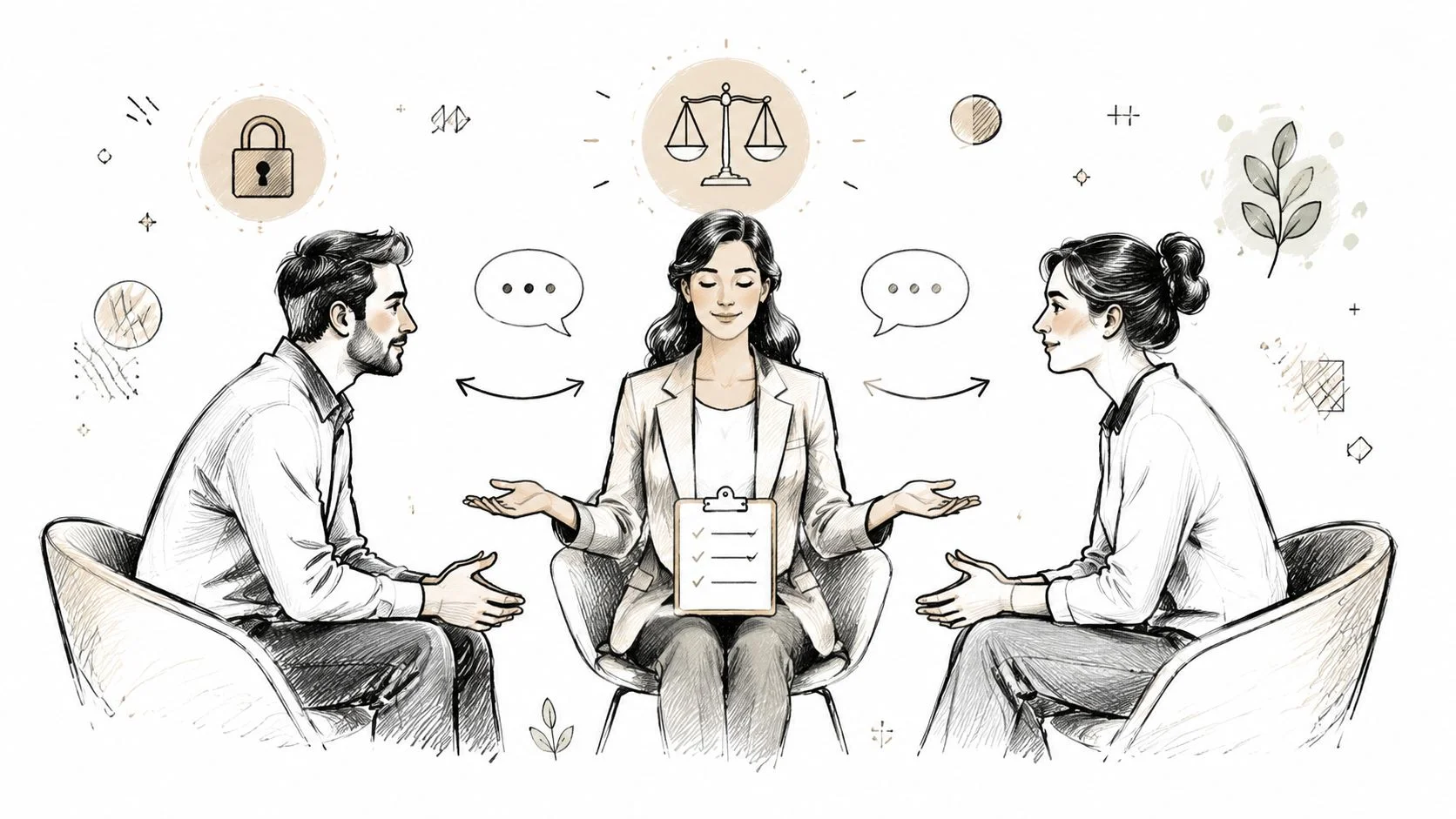
In IT, mediation is useful when platform and application teams have reached the “we can't work with them” stage, or when a certification study group has split into camps over pace, accountability, and participation. The mediator doesn't decide the winner. The mediator keeps the process fair enough for the group to hear itself think again.
What a good mediator actually does
A good mediator sets rules, protects speaking time, tests assumptions, and narrows the issue. If two teams say they're fighting over “ownership,” the mediator may discover they're really fighting over pager burden, release authority, or who absorbs blame when something breaks.
Use someone seen as neutral. In a technical conflict, it helps if the facilitator understands enough to distinguish a real risk from jargon used as a shield. Start with separate conversations if emotions are high, then move into a joint session with a written summary of issues and candidate options.
Mediation is not a sign of failure. It's a recognition that the process needs support. In fact, healthcare organizations increasingly pair open communication with formal conflict-resolution training, clear policies, and external mediation in complex team settings, a trend discussed in PMI's article on understanding and managing conflict resolution strategies.
5. Assertive Communication
Passive people get steamrolled. Aggressive people win the room for ten minutes and lose trust for six months. Assertive communication sits in the useful middle.
This matters constantly in IT. An engineer needs to tell a manager that the certification deadline collides with a release freeze. A team lead needs to say that a migration plan is too risky in its current form. A learner needs to tell an instructor that they need more scenario-based practice, not just another slide deck.
A simple structure that works
Use this pattern: state the behavior, explain the impact, make a request.
“Last-minute scope changes are landing after the implementation plan is locked. That creates rework and increases deployment risk. I need changes frozen by noon the day before release, or we need to move the date.”
That lands far better than “You always dump work on us.” It's direct, respectful, and actionable.
For certification-related conflicts, the same pattern helps. “I'm committed to the exam, but I can't prep effectively if my study blocks keep getting interrupted by non-urgent requests. I'd like two protected sessions this week and I'll make sure on-call coverage is handed off.” If you want to strengthen that skill, these respectful communication strategies offer practical workplace phrasing.
- Use “I” statements: They reduce blame without softening your point.
- Be specific: Name the meeting, deadline, behavior, or deliverable.
- Offer a path forward: Assertiveness works best when it includes a next step.
Assertive communication can feel uncomfortable if you're used to staying agreeable. Use it anyway. In technical teams, unclear communication creates preventable conflict. Clear communication resolves it faster.
6. Conflict Avoidance
Avoidance has a bad reputation, often for good reason. Used badly, it turns manageable friction into chronic resentment. Used carefully, it can prevent people from saying things they'll regret and give a team enough space to return with better judgment.
I'd use strategic withdrawal in a heated outage review, a study-group blowup late at night, or a debate where two tired people are repeating themselves and no one is processing new information. Stepping away is smart if the emotional temperature is too high to think clearly.
Temporary pause, not silent disappearance
The key is naming the pause. Don't vanish and call it maturity. Say, “We're not going to solve this well in the next ten minutes. Let's reconvene tomorrow at 10 with the logs, the timeline, and one recommendation each.”
That message does two things. It lowers pressure, and it proves you're not abandoning the issue. In IT, that distinction matters. Silence gets interpreted as avoidance, disrespect, or political maneuvering.
If you need a break, schedule the return before you leave the room.
Avoidance also makes sense for low-value arguments. You do not need a full conflict process because two engineers prefer different note-taking apps or terminal themes. Save your conflict energy for architecture risk, staffing, customer impact, exam support, and workload fairness.
Where people go wrong is extending temporary avoidance into permanent drift. The code review stays unresolved. The on-call resentment deepens. The study-group tension gets encoded into side chats. If the issue affects delivery, trust, or fairness, come back and deal with it.
7. Conflict Accommodation
Accommodation means yielding to preserve harmony or prioritize the relationship. That sounds weak until you use it intentionally.
There are moments when it's the right call. A junior engineer may defer to a senior DBA on a narrow database recovery question because the other person has far more relevant experience. A study group member may accept the majority's meeting time because their own preference is less important than keeping the group together. A manager may let an employee choose a different learning path because the employee's long-term growth matters more than managerial preference.
Use it by choice, not by habit
The problem is repetition. If the same person keeps accommodating, the team starts calling that “easy to work with” when it's really “unlikely to resist.” That breeds resentment fast.
A healthy accommodation sounds like this: “I'll go with your approach this time because the release timing matters more than my preference. After launch, I want us to revisit the process.” That sentence preserves goodwill without pretending the issue disappeared.
Ask yourself three questions before yielding:
- How important is this issue to me really?
- How important is the relationship or timing?
- Will agreeing now create resentment later?
Accommodation is useful when the issue is minor, when the other party is clearly right, or when preserving momentum matters more than getting your way. It's dangerous when it becomes your default strategy with louder personalities. IT teams notice patterns. If one person always bends, the conflict doesn't vanish. It just moves inward and resurfaces later as disengagement.
8. Competitive or Assertive Conflict
Sometimes you can't workshop consensus. You need a decision, and delay is the bigger risk.
This is the competing mode in classic conflict resolution strategies. It's appropriate when the issue is urgent, high stakes, or demands strict adherence. Security incidents, compliance requirements, access control failures, and academic integrity issues often fall into this category. In those moments, a leader may need to say, “We are rotating credentials now,” or “This exam misconduct case goes through formal review.”
When decisive action is the right call
In infrastructure work, I've seen this during incidents where one person wants more diagnosis and another needs immediate containment. If customer impact is live and the blast radius is growing, decisive authority is appropriate. The same applies when leadership enforces mandatory certification for regulated or security-sensitive roles. Debate can inform the rollout, but not erase the requirement.
That said, strong action doesn't require disrespect. The best leaders explain the reasoning, acknowledge the downside, and circle back after the decision.
“We're making the conservative call because recovery speed matters more than elegance right now.”
Use this mode sparingly. Overuse turns every disagreement into a power contest. Teams stop bringing up dissent, not because conflict is gone, but because they assume the outcome is predetermined.
Competitive conflict also has a hidden cost in technical organizations. People remember who shut down debate. If you must override others, do it on principle, with clear rationale, and only when the stakes justify it.
9. Cognitive Reframing and Perspective-Taking
A lot of conflict gets fed by the story people tell themselves before anyone verifies facts. “They blocked my proposal because they don't respect me.” “She skipped my message because this certification isn't a priority.” “He challenged my design in public because he wanted to embarrass me.”
Maybe. But maybe not.
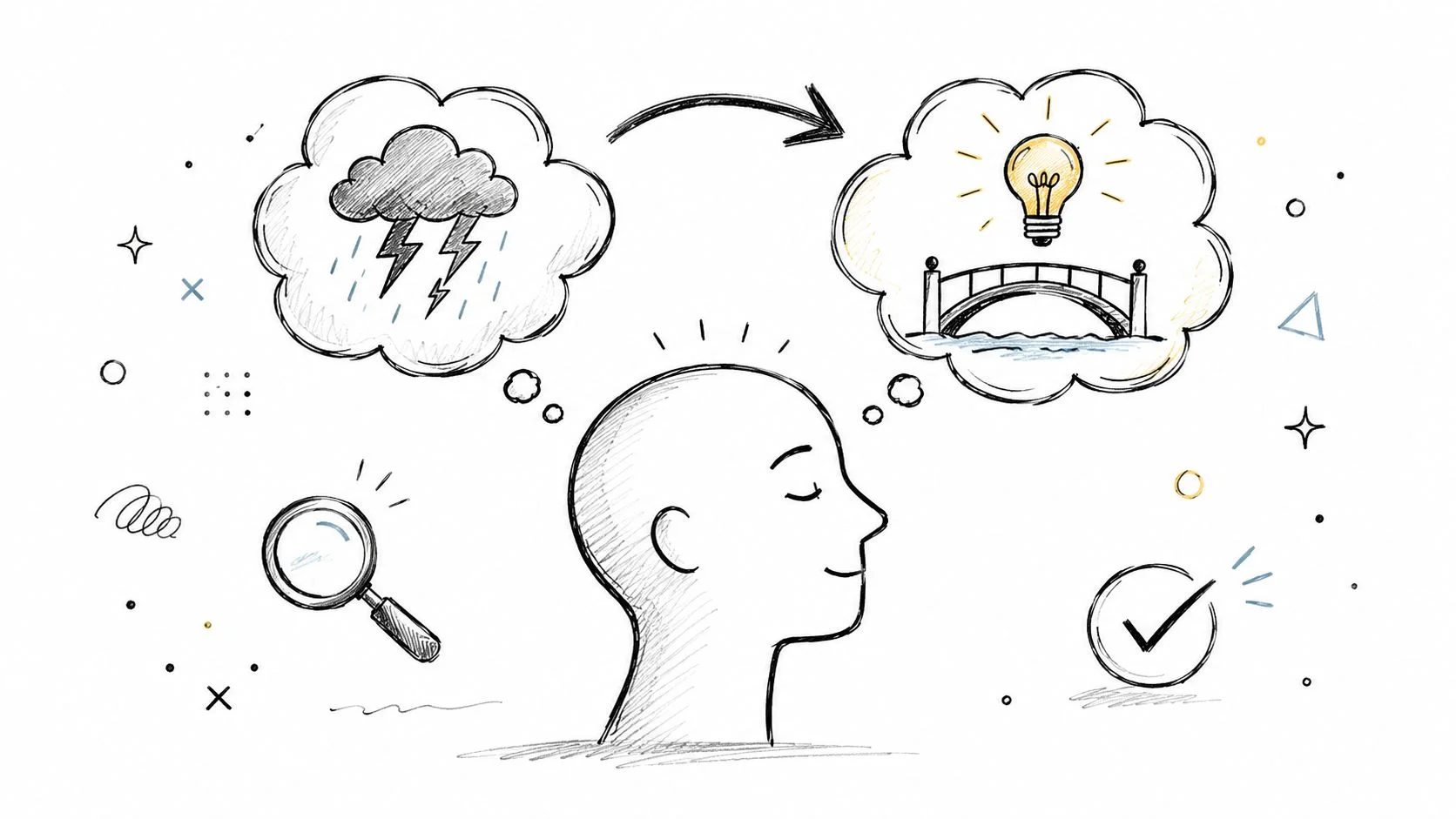
Cognitive reframing means pausing long enough to test your first interpretation. In IT, that's useful because high-pressure communication is often short, blunt, and context-poor. A one-line Slack reply can look hostile when the sender is just in the middle of an outage.
Better stories produce better responses
Try replacing certainty with alternatives. Instead of “They're undermining me,” ask, “What else could this mean?” Maybe they're guarding system stability. Maybe they're overloaded. Maybe they disagree with the plan but not with you.
This is especially powerful in hybrid and cross-functional teams, where some disagreement is useful. PMI points out that not all conflict should be suppressed. Productive conflict can surface hidden assumptions, improve creativity, and strengthen decisions, and practices like mining sensitive issues or assigning a devil's advocate can support healthier debate. That's a valuable reminder when a technical challenge feels personal but may be helping the team think better.
Try these reframes in the moment:
- From attack to concern: “They may be challenging the risk, not my competence.”
- From delay to constraint: “There may be a staffing or budget issue I can't see.”
- From rejection to refinement: “This pushback might improve the final design.”
Reframing doesn't mean becoming naive. It means choosing an interpretation that leaves room for inquiry instead of escalation.
10. Restorative Justice and Accountability Frameworks
Some conflicts aren't just disagreements. Someone caused harm. They broke trust, ignored boundaries, took credit, shared private information, sabotaged a handoff, or missed a commitment that forced others to carry the load.
In those cases, “let's all communicate better” is too soft. You need accountability. But pure punishment often fails in teams that still have to work together. That's where a restorative approach helps.
Repair before reset
A restorative process asks different questions from a blame process. What happened? Who was affected? What impact did it have? What responsibility does the person take? What needs to happen to repair trust as much as possible?
In IT, this could apply after someone bypasses change control and causes a late-night incident, or when a study-group member repeatedly commits to shared prep sessions and doesn't show, leaving others to reorganize around them. The point isn't public shaming. The point is visible ownership and a concrete repair plan.
A useful script sounds like this: “When you pushed outside the agreed window, the on-call team had to absorb the fallout without preparation. What do you understand about the impact, and what will you do differently next time?” Then define the repair. That might include documenting a new review step, communicating earlier, or taking point on the follow-up work.
This mindset also fits technical ethics. Teams that are learning understanding responsible AI practices are already thinking about harm, accountability, and responsible decision-making. Those same habits strengthen team conflict repair.
- Focus on behavior and impact: Don't turn one failure into a verdict on someone's character.
- Ask the harmed party what repair looks like: Don't assume.
- Follow up visibly: Accountability without follow-through is theater.
Done well, this approach doesn't erase the conflict. It gives the team a way to move forward without pretending nothing happened.
10-Strategy Conflict Resolution Comparison
| Approach | Implementation complexity | Resource requirements | Expected outcomes | Ideal use cases | Key advantages |
|---|---|---|---|---|---|
| Collaborative Problem-Solving (Win‑Win) | High, multi‑party facilitation and time | Moderate–High, facilitation skills, meeting time | Durable, mutually satisfactory solutions and stronger relationships | Cross‑functional teams, group study planning, complex resource allocation | Sustainable solutions, innovation, trust and cohesion |
| Active Listening & Empathetic Communication | Low–Medium, skill development and practice | Low, training and time for attentive exchanges | Fewer misunderstandings, de‑escalation, clearer underlying issues | Instructor‑learner feedback, one‑on‑one support, tense conversations | Clarifies root causes, builds rapport and trust |
| Negotiation & Compromise | Medium, structured bargaining process | Low–Medium, data, clear criteria, time | Timely, practical agreements where needs are partially met | Budget splits, scheduling conflicts, resource tradeoffs | Fast, pragmatic, maintains progress and continuity |
| Mediation (Third‑Party Facilitation) | Medium–High, formal process design and stages | Moderate–High, neutral mediator, time, confidentiality | Facilitated agreements that preserve working relationships | Entrenched team disputes, HR conflicts, persistent interpersonal issues | Neutral facilitation, confidentiality, increased compliance |
| Assertive Communication (Non‑Aggressive) | Low–Medium, practice in tone and wording | Low, coaching and practice opportunities | Clear boundaries and expectations; quicker issue detection | Setting expectations, requesting resources, boundary setting | Prevents passive‑aggression, promotes clarity and respect |
| Conflict Avoidance (Strategic Withdrawal) | Low, deliberate pause or withdrawal | Low, time for cooldown, brief communication | Short‑term de‑escalation; risk of unresolved or growing issues | High‑emotion moments, trivial disputes, temporary cooling‑off | Prevents immediate escalation, allows reflection |
| Conflict Accommodation (Yielding/Smoothing) | Low, choosing to defer or yield | Low, minimal resources required | Rapid harmony but potential long‑term resentment if overused | Hierarchical decisions, low‑priority matters, relationship preservation | Quickly preserves relationships and reduces immediate tension |
| Competitive/Assertive Conflict (Win‑Lose) | Low–Medium, decisive action and authority use | Low, authority, policies, rapid implementation | Fast resolution with clear winner; possible relationship damage | Safety/compliance issues, urgent non‑negotiables, clear expertise gaps | Rapid enforcement of standards and decisive outcomes |
| Cognitive Reframing & Perspective‑Taking | Medium, requires self‑awareness and practice | Low–Medium, training, reflection time | Reduced reactivity, increased empathy, new solution paths | Exam anxiety, misinterpretations, entrenched negative narratives | Promotes empathy, creativity, and long‑term emotional resilience |
| Restorative Justice & Accountability Frameworks | High, structured restorative processes | High, trained facilitators, time, follow‑up mechanisms | Repair of harm, accountability, restored trust when successful | Academic integrity breaches, serious trust violations, team rehabilitation | Deep relational repair, behavior change, community safety |
Building Your Conflict Resolution Toolkit
The most effective IT professionals know that the right tool depends on the job. The same is true for conflict. There isn't one best strategy that fits every architecture debate, on-call dispute, budget argument, or certification scheduling problem. The key skill is diagnosing the situation clearly enough to choose the response that matches the stakes, the urgency, and the relationship you still need after the argument ends.
That's why rigid advice usually fails in technical environments. Collaboration is excellent when the problem is complex and both sides hold part of the truth. Compromise works when resources are limited and a practical middle is good enough. Mediation helps when trust is low and the conversation needs a neutral structure. Assertiveness protects clarity. Avoidance buys time when emotions are too hot. Accommodation preserves momentum when the issue isn't worth the damage. Competitive action has its place when safety, compliance, or live customer impact leaves no room for extended debate. Reframing keeps you from escalating a story that may not even be accurate. Restorative accountability helps teams repair trust after real harm.
The common thread is judgment. In mature teams, people don't ask, “Which conflict style is best?” They ask better questions. Is this a task conflict, a process conflict, a status conflict, or a relationship conflict? Is the problem urgent or just uncomfortable? Do we need more data, a decision, a pause, or a repair conversation? Those distinctions matter far more than sounding polished in a meeting.
If you want to get better fast, start small. Use active listening in your next tense code review. Practice one assertive request instead of one vague complaint. When a meeting gets heated, pause it properly instead of storming through it. After a bad interaction, write down three alternative interpretations before replying on Slack. These are small reps, but that's how conflict skill is built.
Technical credibility still matters. So do certifications, architecture judgment, operational discipline, and delivery. But people who advance in IT usually have another strength. They can disagree without making every disagreement destructive. They can push hard on ideas while staying fair with people. They can resolve conflict without draining the team's energy.
That's a career advantage. It also makes the workday better.
Building technical depth and strong people skills goes hand in hand for IT professionals. To test your PMP knowledge and prepare for the exam, start with a MindMesh Academy PMP practice exam.

Written by
Alvin Varughese
Founder, MindMesh Academy
Alvin Varughese is the founder of MindMesh Academy and an enterprise architecture leader. An electrical engineer by training, he moved from factory automation in South Africa to cloud architecture at GE Appliances and Humana (Fortune 50), and holds 20 professional certifications including AWS Solutions Architect Professional, Azure DevOps Engineer Expert, and Microsoft Agentic AI Business Solutions Architect. He built MindMesh Academy after interviewing too many highly certified candidates who couldn't answer basic questions: the goal is prep that makes you better at the job, not just able to pass the exam.