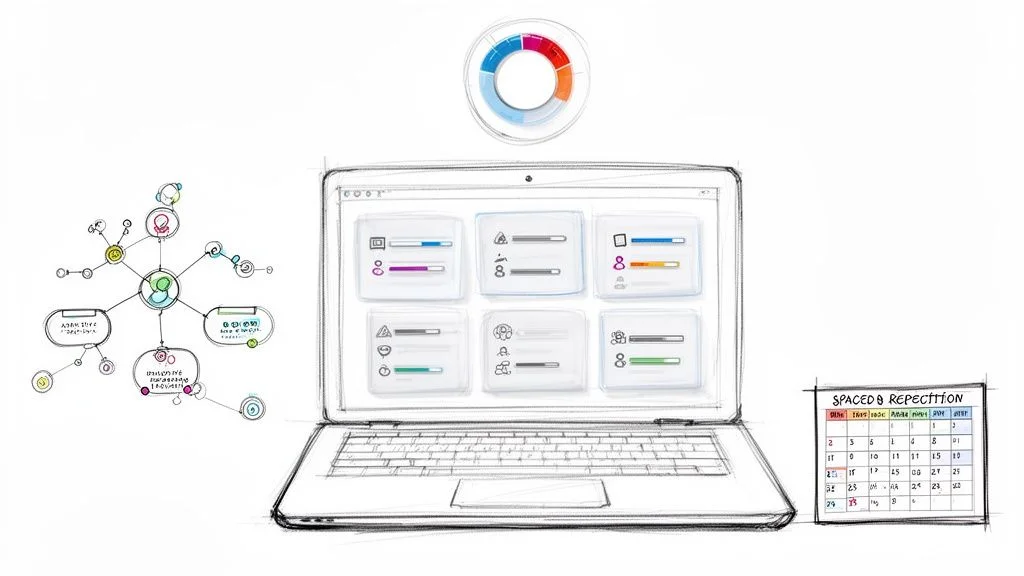
The 12 Best CompTIA A+ Practice Test Resources for 2026
Earning your CompTIA A+ certification marks a significant step for IT professionals. The test requires more than memorizing facts; you must show you can diagnose and solve technical problems under pressure. This shift from theory to practical application is where many candidates struggle. High-quality practice tests turn passive reading into active, exam-ready skills. These tools help you prepare for the specific challenges found in the current exam versions.
MindMesh Academy recognizes the time and effort required to advance in the IT field. This guide identifies the best study tools for different learning styles and budgets. We analyzed 12 resources, including official CompTIA simulators, exam engines, mobile apps, and free question banks to help you prepare. Our goal is to provide the insights you need to choose tools that make every hour of study count toward your certification goals. Each resource offers a different approach to mastering the material effectively.
This breakdown covers core features, pricing, and the specific strengths of each platform. Find tools to master Performance-Based Questions (PBQs), use data-driven analytics to find knowledge gaps, or fit quick study sessions into a busy schedule. This list helps you select the right tests for your study plan. By the time you reach the testing center, you will be prepared to tackle the exam with confidence. Using these resources correctly ensures you understand the hardware and software troubleshooting required for modern IT roles and support environments.
1. CompTIA A+ Core 1 Study Guide (MindMesh Academy)
The MindMesh Academy CompTIA A+ Core 1 Study Guide serves as a primary resource for IT professionals who want to master exam content instead of relying on rote memorization. This platform is more than a collection of notes or practice questions. It functions as a structured hub for exam preparation that uses learning science and practical tools. Every part of the guide follows the current CompTIA A+ Core 1 (220-1201) objectives. This alignment ensures that your study time remains relevant to what the exam actually covers.
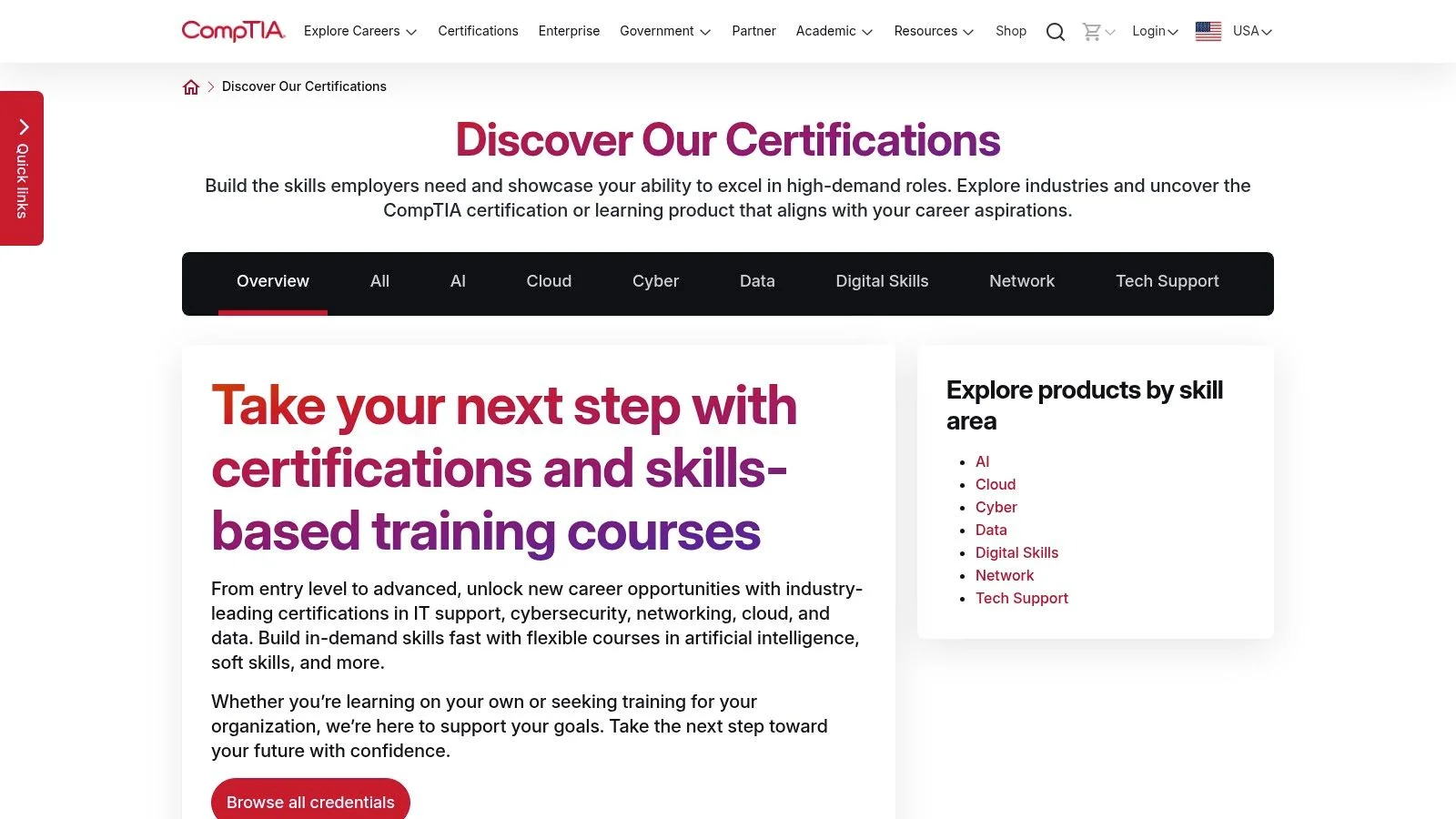 Figure 1: MindMesh Academy's interface for the CompTIA A+ Core 1 Study Guide, showcasing its structured, domain-aligned approach to learning.
This resource helps learners who want a data-driven way to prepare for their certification. It includes short sample questions for each domain that match the tone and difficulty of the real exam. This setup creates a low-stakes environment where you can check your understanding frequently. Building confidence in small steps helps prevent burnout during long study sessions.
Why It's Our Top Choice
MindMesh Academy uses evidence-based learning to help students succeed. The platform uses adaptive learning paths and spaced repetition to improve how you study. These systems identify which topics you find difficult and show them to you more often. For example, if you were studying for an AWS exam, you would want a tool that knows you struggle with networking more than security. MindMesh does this for the A+ exam by adjusting your material to fix knowledge gaps. This approach is more effective for long-term memory than reading a textbook from start to finish.
A progress dashboard provides a visual map of your performance across the different exam domains. This feature helps you plan your revision by showing where your time will have the most impact. You can see your strengths and weaknesses at a glance. The guide also includes specific strategies for handling Performance-Based Questions (PBQs). These questions are often the most difficult part of the A+ exam because they require you to apply your knowledge to a scenario. MindMesh explains how to break these problems down into manageable steps.
Key Features and Analysis
| Feature | Analysis & Use Case |
|---|---|
| Domain-Aligned Structure | All content follows the CompTIA A+ Core 1 (220-1201) objectives. This layout allows you to work through the syllabus one step at a time. It also helps if you only need to review specific topics like hardware or mobile devices. |
| Adaptive Learning Paths | The system changes based on your performance. It presents difficult topics more frequently so you do not spend too much time on concepts you already understand. This works like personalized training in a professional office. |
| PBQ Tactics & Strategies | The platform offers clear methods for solving Performance-Based Questions. This helps you build the problem-solving skills needed for scenario questions. These are common in certifications like PMP or ITIL where you must apply what you know. |
| Curated Readiness Checks | The guide points to high-quality resources that look like the real exam. This allows you to simulate the testing environment and see if you are ready. It serves as a final check to ensure there are no surprises when you take the test. |
Pros & Cons
-
Pros:
- Strict Alignment: All material matches the Core 1 exam objectives to keep your study sessions focused.
- Study Efficiency: Adaptive paths and the progress dashboard help you learn faster and remember more.
- Practical Strategy: The guide gives you a clear plan for answering difficult Performance-Based Questions.
- Readiness Testing: Built-in checks help you know exactly when you are ready to pass the exam with confidence.
-
Cons:
- Theory Focus: This is a study and practice hub. It does not replace the need for physical, hands-on lab experience with computer hardware.
- Single Exam Coverage: The guide covers only Core 1 (220-1201). You will need different materials for the Core 2 (220-1202) exam.
Reflection Prompt: How could you use the adaptive learning concept from MindMesh Academy to help your team develop new skills or manage a personal project?
Getting Started
You can find the study guide on the MindMesh Academy website. While the guide is the main tool, you might also want to look at the CompTIA A+ practice exam for a full simulation. Using these together gives you the knowledge and the testing practice needed to do well on exam day.
2. CompTIA Store (CertMaster Practice)
For IT professionals who prefer to go directly to the source, CompTIA’s own CertMaster Practice is the official preparation tool. This platform offers a distinct advantage: every single question, performance-based simulation, and explanation is authored by the same organization that creates the actual A+ exams. This ensures the highest level of alignment with the Core 1 (220-1201) and Core 2 (220-1202) exam objectives. You can study with confidence, knowing you are viewing materials that reflect the current standards of the industry.
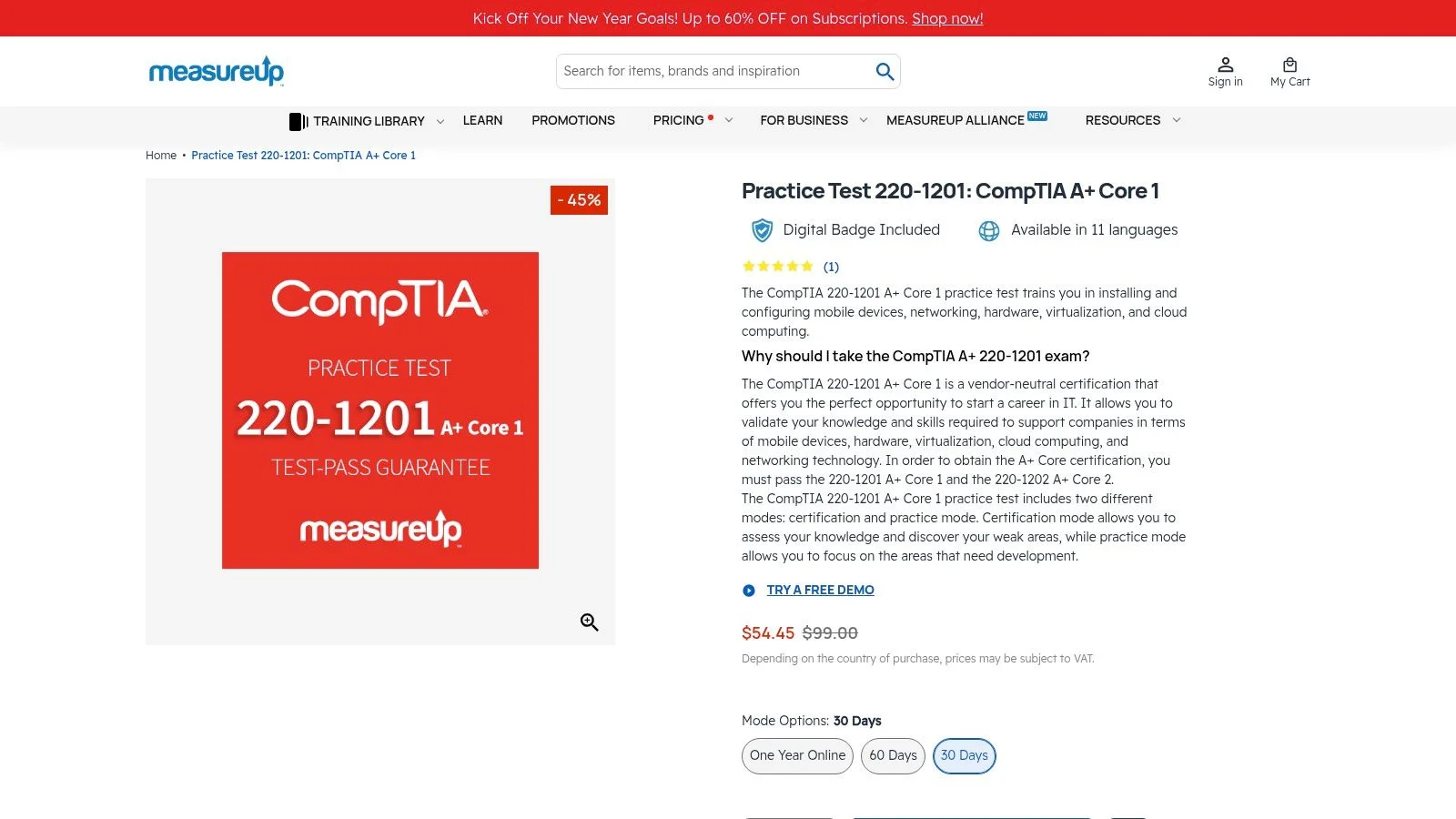 Figure 2: The CompTIA CertMaster Practice dashboard, illustrating its adaptive learning and progress tracking features.
CertMaster Practice employs an adaptive, question-first learning methodology. Instead of presenting static exams, it gauges your current knowledge and adjusts the difficulty and focus to zero in on areas where you need the most improvement. The platform's analytics provide detailed feedback on your performance, helping you find and fix knowledge gaps. This functions much like a seasoned IT lead performing targeted network audits to identify specific weaknesses in a system.
Key Features and Pricing
The platform prioritizes building and reinforcing your core knowledge over mimicking the exact exam interface. The inclusion of genuine performance-based questions (PBQs) is a significant benefit. These are often the most difficult and application-heavy components of the test, requiring more than just multiple-choice recall. You will need to configure hardware or troubleshoot software in a virtual environment, which is much closer to real-world IT tasks than simple rote memorization.
| Feature | Details |
|---|---|
| Question Source | Official first-party questions directly from CompTIA |
| Key Differentiator | Adaptive learning engine and verified objective alignment with the actual exam |
| Content Included | Multiple-choice, PBQs, timed practice tests, detailed analytics |
| Access | 12-month online access license |
| Pricing | $224 (verify current pricing on the vendor site) for A+ Core 1 & Core 2 Bundle. Individual cores also available. |
Assessment and Use Case
This resource is a fit for learners who prioritize official content and want a structured, data-driven study experience. While it is one of the more expensive options, the cost is justified by the benefit of practicing with authorized materials. It is useful for organizations seeking official training resources for their teams to ensure their IT staff is trained on the most current and relevant CompTIA objectives.
Best For: IT professionals who want the most authentic CompTIA A+ practice test questions and are willing to invest in an official resource for their certification preparation.
- Pros: Full alignment with current exam objectives (220-1201 & 220-1202), includes genuine PBQs, strong adaptive learning, and targeted remediation features.
- Cons: Higher price point compared to many third-party alternatives; the user interface feels more like an all-in-one study tool than a pure exam simulator.
Reflection Prompt: How does an official practice resource, like CertMaster Practice, compare in value to third-party options when preparing for other vendor-specific certifications like an Azure Administrator or an ITIL Foundation exam?
Website: CompTIA CertMaster Practice
3. MeasureUp
MeasureUp remains a top-tier provider for IT certification preparation, focusing on a realistic exam simulation. Their platform replicates the interface, timing, and pressure of the current CompTIA A+ exam. This accuracy helps reduce test-day anxiety by letting you get comfortable with the software long before you sit for the actual test. They provide practice tests for both Core 1 (220-1201) and Core 2 (220-1202) that reflect the specific domains covered in the latest objectives.
 Figure 3: MeasureUp's realistic exam simulation interface, designed to acclimate candidates to the actual testing environment.
The primary strength of MeasureUp is found in its simulation quality and post-test analytics. After finishing a test in "Certification Mode" to build stamina or "Practice Mode" for a slower learning pace, you receive a detailed score report. This report breaks down your performance by exam objective. It allows you to see exactly where you struggled, whether it was hardware troubleshooting or mobile device security. Each question includes a detailed rationale that clarifies why the correct answer is right and why the other options are wrong. This feedback loop functions like a post-mortem after an IT incident, helping you avoid the same mistakes twice.
Key Features and Pricing
This platform works best for the final stages of your study plan. Use it when your goal is to assess your overall readiness and build the mental endurance required for a full-length exam. The challenging questions and explanations serve as effective micro-lessons. You can pair these tests with a CompTIA A+ Core 2 study guide to fix any major knowledge gaps you discover during the simulation.
| Feature | Details |
|---|---|
| Question Source | In-house subject matter experts |
| Key Differentiator | Realistic exam simulation interface and timed modes |
| Content Included | Multiple-choice, timed/untimed modes, score reports, and rationales |
| Access | 60-day online access or 1-year download |
| Pricing | $119 (verify current pricing on the vendor site) for the Core 1 & Core 2 Bundle. |
Assessment and Use Case
MeasureUp is a strong choice for candidates who have already worked through their primary study materials. It puts your knowledge to the test in a high-pressure environment. Feedback from each session helps with last-minute review. While the total number of questions might be lower than some subscription platforms, the quality and accuracy of the simulation offer significant value. This accuracy helps when preparing for high-stakes exams.
Best For: IT professionals in the final phase of preparation who need to gauge their readiness with a realistic CompTIA A+ practice test and identify any remaining gaps.
- Pros: The exam-like interface builds confidence and familiarity. Detailed score reports make it easy to focus your remaining study time. Frequent promotions often make the bundles more affordable.
- Cons: The total question count per exam can be smaller than what competitors offer. Content depth may vary slightly depending on which version of the product you purchase.
Reflection Prompt: How crucial is simulating the actual exam environment for you when preparing for a certification? Do you find it more helpful for technical certifications like AWS or for process-oriented ones like ITIL?
Website: MeasureUp A+ Practice Test
4. Boson ExSim-Max for CompTIA A+
Boson has a long-standing reputation among IT professionals for creating some of the most difficult and realistic exam simulations available. Their ExSim-Max product for the CompTIA A+ certification follows this rule. It tests your knowledge while requiring you to understand underlying concepts rather than just memorizing facts. The platform is famous for its high difficulty level and its clear answer explanations that teach you the logic behind every single choice. This helps you grasp why one answer is right and why the others are wrong.
 Figure 4: Boson ExSim-Max provides a difficult question set and clear explanations to move your knowledge past simple recall.
ExSim-Max recreates the environment of the actual testing center as closely as possible. This prepares you for the time pressure and the specific formatting you will see on your test date. Boson intentionally writes questions that are often harder than those you will find on the official CompTIA exam. The idea is simple: if you can pass a Boson practice test, you can pass the current exam with confidence. It is similar to a security team running intense drills to prepare for real-world threats. If you can handle the simulation, the real thing feels manageable.
Key Features and Pricing
The real value of Boson lies in the quality of its educational material. The explanations for correct and incorrect answers act as a study guide in their own right. They often link to official documentation or source materials to help you learn the context of a specific topic. This changes the software from a simple quiz tool into a resource for learning. You are not just getting a score; you are learning the logic behind the technical standards.
| Feature | Details |
|---|---|
| Question Source | Internal subject matter experts build realistic and difficult practice items |
| Key Differentiator | Questions designed to be harder than the actual exam to ensure you learn the material |
| Content Included | Realistic simulations, various testing modes, and detailed score reports |
| Access | Annual access for A+ materials |
| Pricing | $119 for the A+ (220-1201 and 220-1202) ExSim-Max (verify current pricing on the vendor site). |
Assessment and Use Case
This tool is for IT workers who are in the final stages of their study plan. It acts as a hard benchmark to check your progress. It helps you find conceptual gaps or weak spots you might have missed during your initial reading. Finding these issues before you pay for the official exam voucher saves time and money. The "No Pass, No Pay" guarantee on certain Boson products shows the company has confidence in how well these materials prepare students.
Best For: Students who have finished their initial study and want to test their readiness against high-difficulty questions that prepare them for the hardest possible scenarios.
- Pros: Hard questions prepare you for any scenario you might face; answer explanations act as short, effective lessons that clarify difficult topics.
- Cons: The high level of difficulty can be frustrating for people who are just starting their studies; the total question volume is sometimes lower than what other providers offer.
Reflection Prompt: When you face a technical problem at work, do you prefer to try quick fixes first, or do you look for the root cause even if it takes more effort? How does the Boson approach to testing mirror your troubleshooting style?
Website: Boson ExSim-Max for CompTIA A+
5. CertBlaster (dti Publishing)
CertBlaster by dti Publishing provides a focused exam simulator designed to mirror the environment of the actual A+ certification exams. It includes a large question bank and several performance-based simulations to help candidates build the stamina required for a long testing session. The platform organizes its content into distinct modes to support different study phases, beginning with initial knowledge checks and ending with final exam preparation. By replicating the look and feel of the official testing interface, it reduces friction when transitioning from textbooks to the live exam.
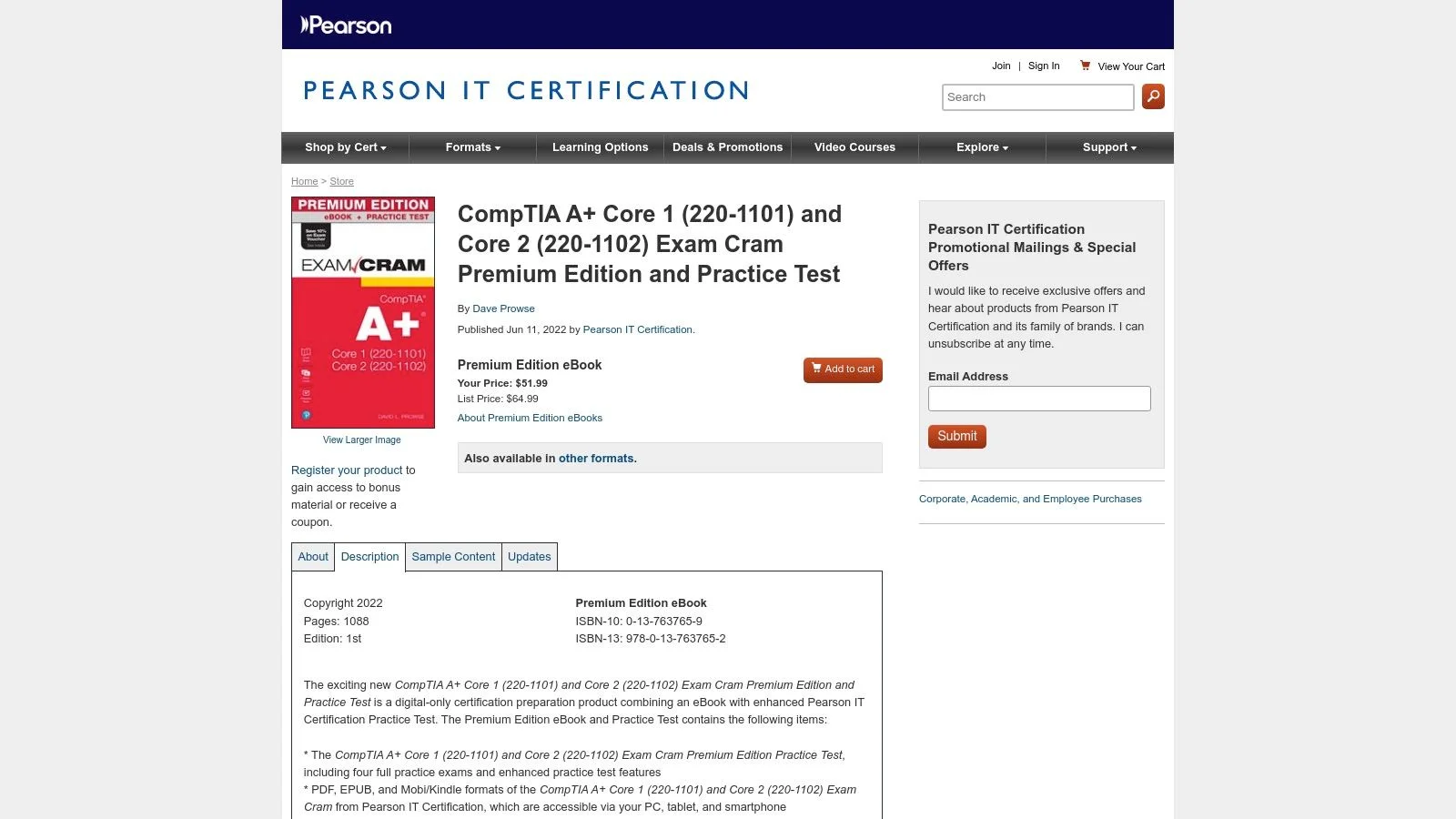 Figure 5: CertBlaster's interface, highlighting its different modes for assessment, study, and certification simulation.
The software uses three specific modes: Assessment, Study, and Certification. This system checks your knowledge baseline, provides detailed explanations for every answer in Study mode, and tests your skills under real exam conditions in Certification mode. The "Focus Drills" target specific exam domains where your scores are lowest, creating a more efficient study schedule. This targeted approach functions like a project manager who assigns specific training modules to team members based on skill gaps in their workflow.
Key Features and Pricing
CertBlaster operates as a dedicated exam simulator, emphasizing high question volume and realistic testing conditions. It prepares students for the time limits and technical pressure of the current A+ exams, Core 1: 220-1201 and Core 2: 220-1202 (verify current exam codes on the CompTIA website).
| Feature | Details |
|---|---|
| Question Source | Third-party, created by dti Publishing |
| Key Differentiator | Multiple user modes (Assessment, Study, Certification) and domain-specific drills for targeted practice |
| Content Included | 500+ questions per Core, PBQs, multiple full exam simulations, focus drills |
| Access | 1 year of online access |
| Pricing | $179 for the A+ Core 1 & Core 2 Bundle (verify current pricing on the vendor site). Individual Cores also available. |
Assessment and Use Case
CertBlaster is a strong option for IT professionals in the final weeks of their study plan who need to practice under a clock. The extensive question bank and various simulation modes help identify and fix remaining knowledge gaps. Drilling into specific A+ domains allows for precise remediation, similar to a cloud architect focusing on specific security or networking services to improve a design. Because the simulations closely match the CompTIA style, users can be well-prepared for what to expect at the testing center.
Best For: Students who want a dedicated CompTIA A+ practice test simulator with a high volume of questions and multiple modes for targeted, last-minute preparation and endurance building.
- Pros: Large question banks, realistic exam timer and full-length simulations, effective targeted domain focus drills.
- Cons: The web app user interface, while functional, can feel somewhat dated; buying individual Cores is less cost-effective than the bundle.
Reflection Prompt: How do the "Assessment," "Study," and "Certification" modes align with your preferred learning phases for a complex IT topic or a new technology implementation?
Website: CertBlaster A+ Practice Test
6. Pearson IT Certification (Exam Cram / Premium Edition Practice Tests)
Pearson IT Certification stands as a major publisher in the IT training market. Their offerings for the CompTIA A+ 220-1201 and 220-1202 exams reflect a long history of preparing candidates for technical certifications. Through their Exam Cram and Cert Guide series, they provide Premium Edition packages that combine a detailed eBook with a functional practice test engine. This bundled approach creates a unified study flow, allowing you to read a chapter and then immediately test your retention of those specific technical concepts. By removing the gap between reading and testing, this resource helps reinforce memory during the initial stages of study.
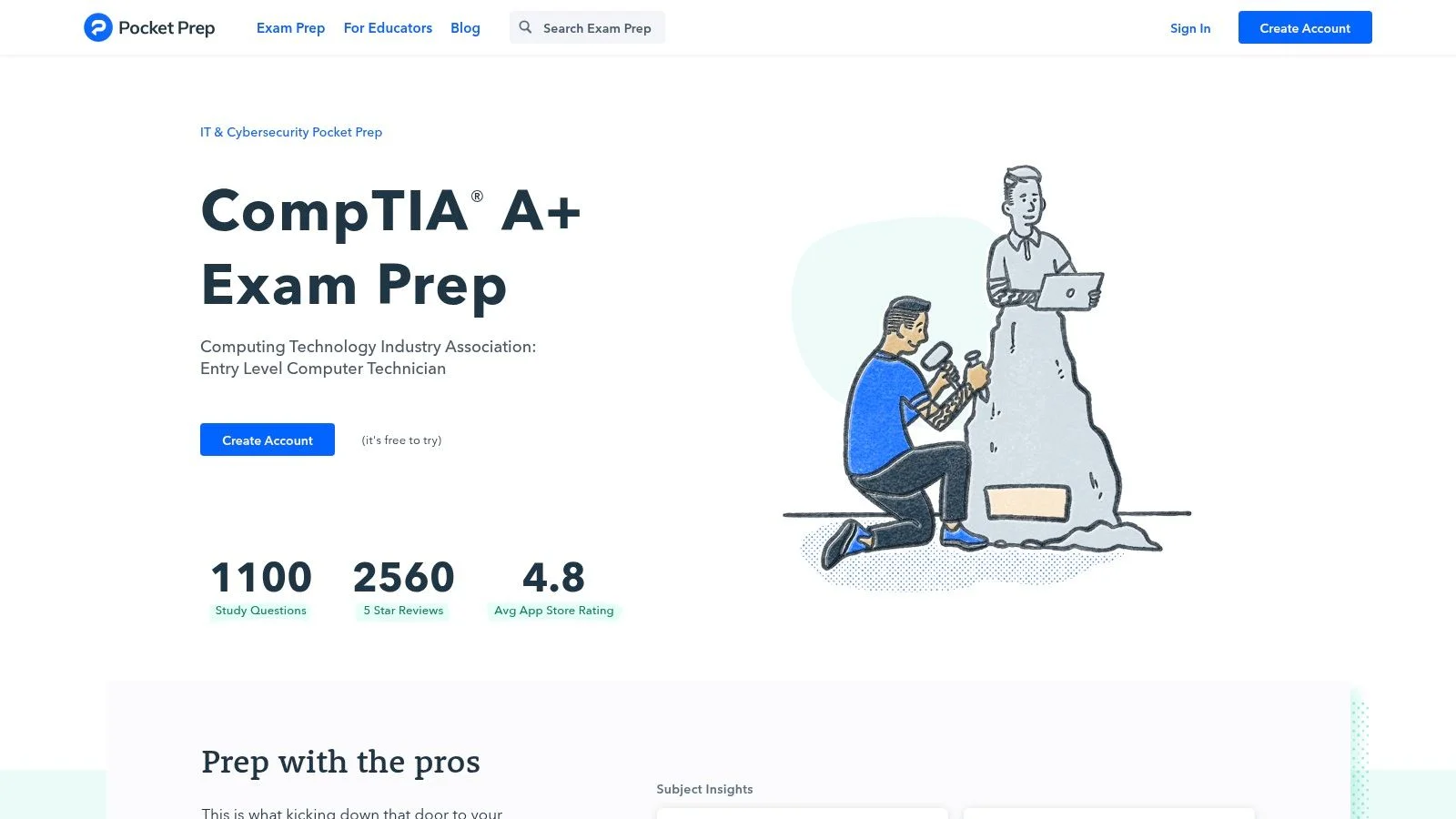 Figure 6: Pearson IT Certification's integrated platform, combining a study guide with a practice test engine for a unified learning experience.
The main advantage is the connection between the detailed study guide and the integrated practice tests. The Pearson Test Prep engine provides full-length timed exams to simulate the pressure of the actual testing center environment. Alternatively, you can build custom quizzes that target specific exam objectives or individual book chapters. This flexibility allows for both a broad review and a specific focus on weak areas discovered during study sessions. It is an effective setup for students who prefer learning through technical reading before applying those facts to realistic scenarios. The software also provides detailed explanations for correct and incorrect answers, linking back to relevant sections of the eBook to ensure you understand the underlying logic.
Key Features and Pricing
The platform provides value through its integrated structure. You are getting more than a list of questions; you are getting a study system from a recognized industry name. Tracking features help you watch your progress over time and visualize your improvement across the different CompTIA A+ domains, such as mobile devices, networking, hardware, and operating systems. This data-driven approach helps you decide when you are ready to schedule your actual exam.
| Feature | Details |
|---|---|
| Question Source: | Authored by trusted IT experts and Pearson's in-house content teams |
| Key Differentiator: | Integrated eBook and test engine for a cohesive study-then-practice loop, catering to diverse learning styles |
| Content Included: | Multiple full-length practice exams, chapter-specific quizzes, performance tracking |
| Access: | Typically via an installable software engine or web-based access |
| Pricing: | $31.99 (verify current pricing on the vendor site) for the A+ Core 1 & 2 Premium Edition eBook & Practice Test. |
Assessment and Use Case
This resource suits IT professionals who learn by reading detailed explanations and testing themselves right away. The bundle provides significant value, as it often costs less than buying a standalone practice test engine from other vendors. While the installable software might feel older than some modern web-only platforms, the content quality and the integration with the study guide are significant benefits. The Exam Cram versions are useful for those who need a condensed review of the 220-1201 and 220-1202 objectives shortly before test day.
Best For: Learners who want a traditional, book-based study plan effectively supplemented with a high-quality, integrated CompTIA A+ practice test engine for a thorough preparation experience.
- Pros: Great value when bundling eBook and tests, reputable publisher with high-quality content, flexible quiz and exam modes for tailored study.
- Cons: The installable test engine can be clunky compared to browser-based options, and the number of Performance-Based Questions (PBQs) varies by title.
Reflection Prompt: How do you balance theoretical learning (e.g., reading a textbook or documentation) with practical application (e.g., hands-on labs or practice tests) in your own professional development?
Website: Pearson IT Certification A+ Premium Edition
7. Professor Messer (Practice Exams - digital/print)
Professor Messer is a well-regarded figure in the IT certification community. He provides practice exams known for high quality and low cost. Instead of using an interactive web platform, he delivers these resources as downloadable PDF files or physical books. The main strength of his material lies in questions that match the style, wording, and difficulty of the current CompTIA A+ exams (Core 1: 220-1201, Core 2: 220-1202). This tight alignment shows Messer's clear understanding of the certification requirements and the specific ways CompTIA tests candidates.
Every question in these exams includes a specific explanation for the correct answer and a detailed breakdown of why the incorrect distractors are wrong. This teaching method makes the exams an effective learning resource rather than a simple quiz. When combined with his free A+ video training, these tests offer a budget-friendly study path that covers all the necessary objectives. For those still deciding on their path, looking into how to get a CompTIA certification offers helpful context on the steps involved in the process and how these exams fit in.
Key Features and Pricing
The static, book-based format supports a slow and deliberate review. This style forces you to think through the material rather than clicking through options quickly. It is a traditional study method that works well for building technical knowledge, similar to the way students prepare for Linux+ or CCNA exams. Studying this way helps information stick because it removes the distractions often found in digital testing environments. You can go at your own pace and ensure you understand the logic behind every technical concept mentioned in the questions.
| Feature | Details |
|---|---|
| Question Source | Original content from industry expert Professor Messer |
| Key Differentiator | Detailed explanations for all options; pairs with a free, full video course |
| Content Included | PDFs with 90+ practice questions per exam, including PBQs and answer rationales |
| Access | Instant digital download (PDF) or physical book option |
| Pricing | $25 (verify current pricing on the vendor site) for each digital exam book (Core 1 or Core 2). Bundles available. |
Assessment and Use Case
Professor Messer’s exams work well for self-starters and budget-conscious professionals. They offer high-quality questions without the high cost of a simulator. The PDF format helps with offline study or for those who like to print pages and use a pen to take notes and highlight key information. This manual approach can help a student focus better than a mobile app or a web browser that might have distracting notifications. It also allows you to simulate a paper-based testing environment if that is how you prefer to organize your thoughts.
Best For: Students who have finished a study program (like Messer’s free videos) and need a reliable CompTIA A+ practice test to check their knowledge and find weak spots before the test.
- Pros: Affordable pricing, high question quality, clear explanations for every choice, strong reputation in the community.
- Cons: No interactive engine, fewer questions than large web platforms, manual grading required.
Reflection Prompt: How might the approach of detailed explanations for all answer options, including incorrect ones, help you articulate technical solutions more clearly in your daily role?
Website: Professor Messer Practice Exams
8. Pocket Prep (IT & Cybersecurity bundle)
IT professionals who are constantly moving find that Pocket Prep provides a mobile-first study method that fits well into a hectic schedule. The app breaks down study sessions into small, bite-sized quizzes you can finish anywhere. It is not a full-scale exam simulator. Instead, its strength comes from reinforcing knowledge through daily practice and quick-hit drills. This makes it an excellent tool for continuous learning alongside more formal study materials like textbooks or video courses. You can easily switch between your phone during a commute and the web interface when you have more time at a desk.
 Figure 7: Pocket Prep's user-friendly mobile interface, designed for convenient on-the-go study sessions.
Pocket Prep's platform focuses on building a consistent study habit. You get a "Question of the Day" and customizable quizzes that target your weakest subjects to keep your focus sharp. The IT & Cybersecurity subscription bundle offers high value by providing practice material for the A+ as well as other certifications like Network+ and Security+ under one plan. This functions like a specialized toolkit for different IT needs. If you plan to earn multiple certifications in a year, this bundle approach saves money compared to buying separate apps for each test.
Key Features and Pricing
The app provides detailed analytics on your performance, tracking your proficiency by exam objective. This allows you to focus study time on areas that need the most attention rather than taking random practice tests. This targeted method works like an IT manager using performance metrics to guide a team's training schedule. You can see exactly which domains of the A+ objectives require more review to ensure your preparation is balanced.
| Feature | Details |
|---|---|
| Question Source | Third-party questions developed by subject-matter experts |
| Key Differentiator | Mobile-first design for on-the-go study and effective habit-building |
| Content Included | Customizable quizzes, timed tests, "weakest subject" mode, detailed analytics |
| Access | Monthly or quarterly subscription via web or mobile app |
| Pricing | $24.99/month or $62.99/quarter for the IT & Cybersecurity bundle (verify current pricing on the vendor site). |
Assessment and Use Case
Pocket Prep works well for IT professionals with demanding schedules who need to find study time during commutes, lunch breaks, or other downtime. It is not designed to simulate a full exam day environment. Instead, it offers consistent knowledge reinforcement. While its replication of Performance-Based Questions (PBQs) is limited, its value in drilling multiple-choice questions for the A+ (Core 1: 220-1201, Core 2: 220-1202) is high. It helps solidify foundational concepts effectively. You should use this alongside a resource that provides more hands-on PBQ practice.
Best For: Students who want a flexible, mobile-friendly CompTIA A+ practice test tool for daily quizzes and habit formation. It integrates study time into a busy life without requiring a desktop computer.
- Pros: Excellent for on-the-go studying; one subscription provides access to multiple IT exam banks; effective for building a daily study habit.
- Cons: Not a true exam simulator; limited practice for Performance-Based Questions (PBQs); the subscription model can become more expensive over time than a one-time purchase.
Reflection Prompt: How do you fit continuous learning into your work schedule? A micro-learning tool like Pocket Prep could improve how you stay current with new technologies or prepare for a certification like ITIL.
Website: Pocket Prep
9. Udemy (A+ Practice Test Courses)
Udemy is a large online learning marketplace that hosts a wide range of CompTIA A+ practice test courses. These resources are created by many different independent instructors rather than a single organization. The main benefits of the platform are the variety of choices and the low cost of entry. You can find many full-length mock exams, quizzes for specific topics, and simulations for performance-based questions. These materials often cost much less than official books or software, especially when you buy them during one of Udemy’s frequent promotional sales.
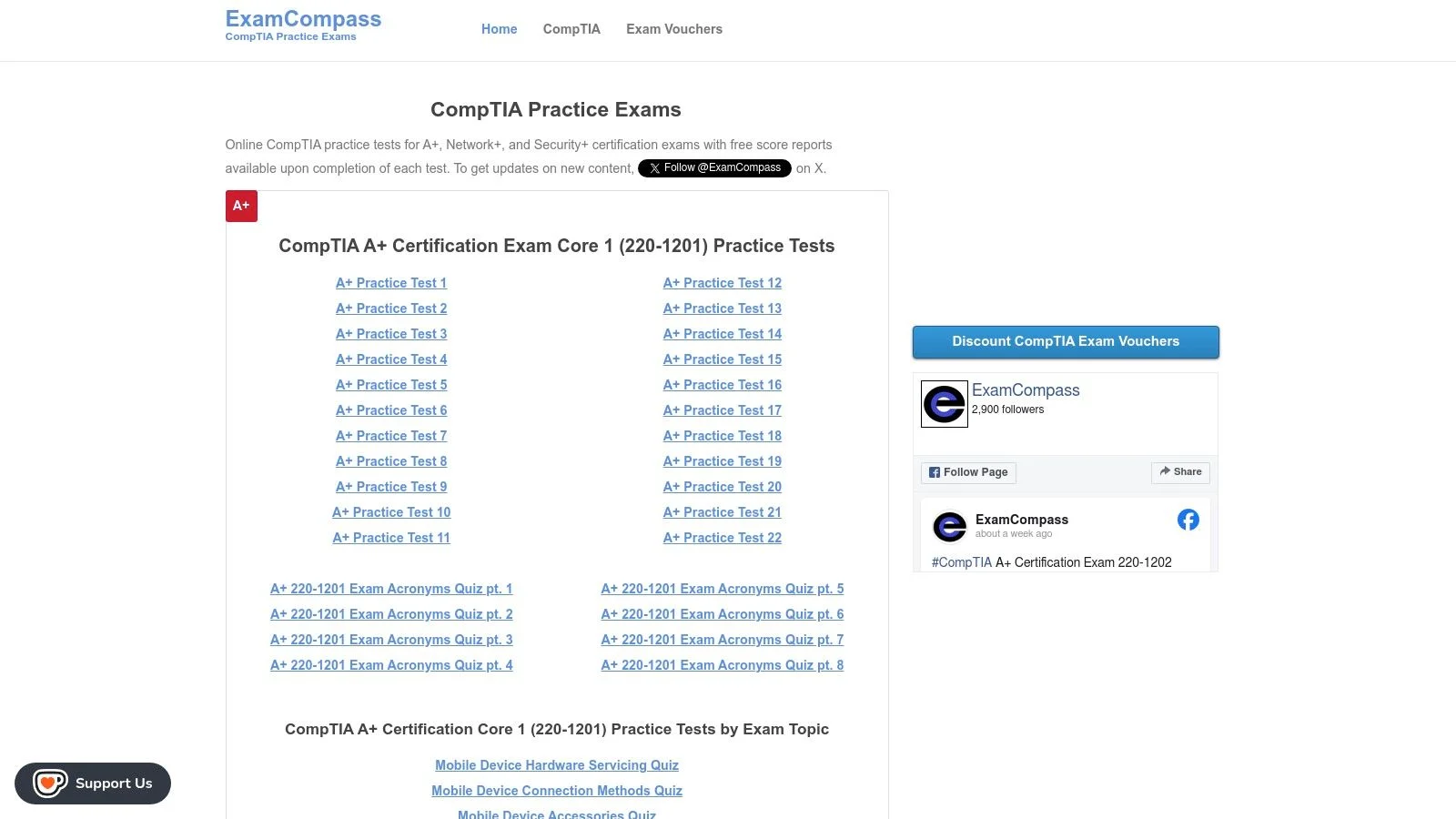 Figure 8: An example of a CompTIA A+ practice test course available on Udemy, demonstrating the variety of options.
The primary challenge with Udemy is that quality varies. Because instructors work independently, the accuracy and relevance of the tests depend on the individual who created them. You must check each course by looking at user ratings and reading recent reviews from other students. It is also important to confirm that the content is updated for the current 220-1201 and 220-1202 exam series. The most effective courses provide clear, detailed explanations for both correct and incorrect answers. This feedback helps you understand the technical logic behind why a specific answer is the best choice. While Udemy is a popular option, you might also check an online course platforms comparison to find other specialized learning tools or different test preparation options.
Key Features and Pricing
The platform provides lifetime access to any course you purchase. This means you can return to the practice tests whenever your schedule allows. The interface is simple and focuses on the testing experience. It includes timed exam simulations, automatic grading, and tools for a thorough review of your results after you finish a set of questions.
| Feature | Details |
|---|---|
| Question Source | Independent instructors and subject matter experts |
| Key Differentiator | Huge variety of authors and styles at low prices during sales |
| Content Included | Multiple-choice questions, timed mock exams, some include PBQs |
| Access | Lifetime access to purchased courses on a per-course basis |
| Pricing | Varies; often $15-$30 per course during sales (verify current pricing on the vendor site). |
Assessment and Use Case
Udemy is an excellent budget-friendly choice to supplement your main study materials. It works well for IT professionals who want to take many practice exams to build stamina and find areas where they need more study time. Taking a high volume of questions helps you prepare for the pressure of the official 90-minute exam window. The key is to choose a highly-rated course that is kept up to date by the author. This ensures the information is accurate and matches current standards, much like vetting a new tool for your workplace.
Best For: Budget-conscious students who want a high volume of CompTIA A+ practice questions to build confidence and test-taking stamina while maintaining flexibility.
- Pros: Extremely affordable during sales, large selection of different practice test bundles, provides lifetime access to purchased materials.
- Cons: Quality and accuracy are inconsistent across instructors and require vetting, some courses may not be updated for the latest exam objectives.
Reflection Prompt: When evaluating a new technical resource or tool for your job, what criteria do you use to determine its quality and reliability? How do these criteria apply to choosing a practice test on a platform like Udemy?
Website: Udemy A+ Practice Tests
10. ExamCompass
ExamCompass is a staple for those in the IT certification community. It offers a large collection of free, browser-based practice quizzes. The platform uses a straightforward, no-frills approach. You can start studying immediately without needing to register an account or pay a fee. Quizzes are organized by the current A+ Core 1 (220-1201) and Core 2 (220-1202) exam domains. This allows you to focus on specific technical areas like hardware, networking, operating systems, or security concepts.
 Figure 9: ExamCompass provides a simple interface for accessing free, topic-specific A+ practice quizzes.
The site does not focus on full-scale exam simulations. Instead, it provides rapid-fire quizzes that help reinforce what you have learned. Once you complete a short test, the site shows your score and allows you to review your answers in the browser. It is a good tool for quick study sessions when you need to identify weak spots or use spaced repetition to memorize technical facts. This acts as a rapid health check for your knowledge, similar to a technician running a diagnostic on a workstation.
Key Features and Pricing
The primary value of ExamCompass is that it is simple and costs nothing. It focuses on multiple-choice questions broken into small, topic-specific sets. This makes it an efficient way to review exam objectives without any financial commitment or barriers to entry.
| Feature | Details |
|---|---|
| Question Source | Third-party, community-trusted question sets |
| Key Differentiator | Free, no-login access to topic-specific quizzes for rapid knowledge checks |
| Content Included | Hundreds of multiple-choice questions organized by exam domain, instant scoring |
| Access | Immediate and unlimited browser-based access |
| Pricing | Free (verify current pricing on the vendor site) |
Assessment and Use Case
ExamCompass is a practical supplementary resource for students on a budget or those who need to drill specific topics quickly. Its strength comes from its accessibility and the volume of focused questions available. It works well for warm-up exercises before a long study session or for quick reviews during a break. You can use it to reinforce concepts without the time commitment required for a full-length practice exam.
Best For: Students who want a free CompTIA A+ practice resource for quick, topic-focused drills and repetition of technical concepts.
- Pros: Entirely free with no registration; questions follow specific exam objectives; helpful for fast, targeted practice.
- Cons: No Performance-Based Questions (PBQs); no timed exam simulations; answer explanations are often brief.
Reflection Prompt: In what scenarios would a quick, free knowledge check like ExamCompass be more beneficial than a full-length, paid exam simulator in your professional development?
Website: ExamCompass
11. Quizlet
Quizlet is not a standard exam simulator, but it is a powerful tool for rote memorization and rapid recall. This skill is vital for mastering A+ topics such as specific port numbers, command-line tools, and technical acronyms. The platform hosts a massive library of digital flashcards and study sets for the current CompTIA A+ Core 1 (220-1201) and Core 2 (220-1202) exams. Its value comes from its high accessibility and a variety of study modes that help you drill specific details until they become second nature.
Interactive modes such as "Learn," "Test," and "Match" turn passive reading into an active learning process. The "Learn" mode uses adaptive technology to show you the cards you struggle with more frequently, while "Match" adds a competitive element by timing how fast you can pair terms with definitions. The mobile app makes it easy to study for a few minutes while commuting or waiting in line. This makes it a practical supplementary tool for drilling facts like 802.11 wireless standards or the six steps of the CompTIA troubleshooting methodology.
Key Features and Pricing
The main benefit of Quizlet is the volume of user-generated content available for quick practice. However, IT professionals must verify information against official study guides. Since any user can upload a deck, the accuracy of community-created sets varies. You should check a deck’s ratings or compare the facts against a trusted source before you rely on it for your exam preparation. It functions as a crowdsourced knowledge base that requires some expert oversight on your part.
| Feature | Details |
|---|---|
| Question Source | Community-created and user-generated flashcards and quizzes |
| Key Differentiator | Huge library of free content and a mobile app for study on the go |
| Content Included | Digital flashcards, matching games, timed quizzes, and study modes |
| Access | Free access with ads; paid plans for features like offline study |
| Pricing | Free with ads. Quizlet Plus starts at $7.99/month (verify current pricing on the vendor site) for offline access. |
Assessment and Use Case
Quizlet is a complementary resource rather than a complete CompTIA A+ practice test solution. It helps you build a base of technical specifications, port numbers, and procedural steps. It is a good choice for students who learn through repetition and want a mobile-friendly way to reinforce concepts learned from textbooks or video courses. This approach also assists with other certifications like the CCNA or PMP, where you must memorize specific terminology and processes.
Best For: Students needing a flexible, free tool to memorize facts, acronyms, and port numbers while away from a desk.
- Pros: Huge amount of free content, effective for memorization, and a simple mobile app for quick study sessions.
- Cons: Content accuracy depends on the creator and needs verification; it is not a formal exam simulator and lacks performance-based questions.
Reflection Prompt: Which IT concepts in your current role require quick recall, such as command syntax or common error codes? How could Quizlet help you memorize these details?
Website: Quizlet
12. Books-A-Million (Wiley/Sybex CompTIA A+ Practice Tests book)
For IT professionals who prefer a hybrid study method—combining a physical textbook with digital tools—the Sybex CompTIA A+ Practice Tests book is a reliable choice. Available through retailers like Books-A-Million, this guide offers a structured, domain-based preparation strategy created by industry experts. Its strength comes from the dual-format design: a printed book for focused study and a digital test bank for active practice. Many learners find that a physical copy helps them concentrate better than staring at a screen for several hours.
Figure 10: The cover of the Wiley/Sybex CompTIA A+ Practice Tests book, offering a hybrid study solution.
The physical book organizes hundreds of practice questions according to the specific exam objectives for Core 1 (220-1201) and Core 2 (220-1202). This organization helps you target specific technical gaps in your knowledge without skipping important details. By purchasing the book, you receive an access code for an online platform that includes customizable quizzes, electronic flashcards, and full-length mock exams. This setup allows you to transition from reviewing specific topics in the text to simulating the actual test-day environment on your screen. It supports different learning stages, from your initial review of hardware requirements to your final drills on software troubleshooting.
Key Features and Pricing
The Sybex method does not use adaptive algorithms that change based on your performance. Instead, it relies on total coverage and repetition. It is a proven approach for candidates who want to ensure they have seen questions for every single exam objective before they head to the testing center. This strategy focuses on depth, making sure you are prepared for any topic the current exam might present. Using the physical book allows for a quiet environment, while the digital component ensures you are comfortable with the computerized testing format used by CompTIA.
| Feature | Details |
|---|---|
| Question Source | Authored by industry experts at Wiley/Sybex |
| Key Differentiator | Hybrid physical book and online test bank combination for diverse learning styles |
| Content Included | Hundreds of practice questions, online test bank, electronic flashcards |
| Access | One-time book purchase, typically with 1-year online access |
| Pricing | ~$30-40 USD (verify current pricing on the vendor site) |
Assessment and Use Case
This resource fits students who like to highlight and take notes in a physical copy while still needing the functionality of a digital exam engine. It works well as a side tool alongside video tutorials or lab exercises. Before buying, verify that you are getting the edition for the current 220-1201 and 220-1202 series. This ensures the practice questions align with the current testing standards. Check the ISBN or exam codes on the cover to ensure you have the right version.
Best For: Students seeking a book-based study plan supported by a digital question bank from a well-known publisher, offering both physical and digital learning methods.
- Pros: High-quality content; provides both physical and digital practice; affordable price point compared to some digital-only subscriptions.
- Cons: The workflow is centered on a book rather than a pure simulator; buyers must check for the current edition to avoid outdated material.
Reflection Prompt: Do you prefer learning from physical textbooks, online resources, or a blend of both? How does this preference impact your effectiveness in mastering new IT skills or preparing for certifications like the Azure Fundamentals?
Website: Books-A-Million
Top 12 CompTIA A+ Practice Test Resources
| Product | Key features | UX & Quality | Value / Price | Best for | Unique selling point |
|---|---|---|---|---|---|
| CompTIA A+ Core 1 Study Guide (MindMesh Academy) | Exam-aligned content for 220-1201 and 220-1202; Performance-Based Question tactics; spaced repetition; adaptive paths; progress dashboard | Focuses on concepts and stays aligned with current exam objectives; provides reporting that targets specific student weaknesses | MindMesh Academy access via paid modules or a subscription (verify current pricing on the Academy site) | Learners who need a structured, evidence-based approach to Core 1 preparation | This tool combines Performance-Based Question strategy with adaptive study methods and data insights |
| CompTIA Store (CertMaster Practice) | Adaptive practice that starts with questions; timed exams; Performance-Based Questions; analytics; 12‑month license | Direct first‑party alignment; provides solid remediation and performance reporting for students | Paid; individual and organizational licensing options are available (verify current pricing on the CompTIA site) | Organizations and students who prefer using official CompTIA materials | Official CompTIA-maintained practice content with flexible business licensing |
| MeasureUp | Full exam simulations; timed certification mode; detailed rationales for every answer; reporting features | Realistic exam interface that mimics the testing environment; clear score reports from a trusted simulator | Paid; promotional offers and subscriptions are frequently available (verify current pricing on the vendor site) | Candidates who want realistic timed simulations and detailed performance reports | Longstanding simulator known for realistic timing and detailed data analytics |
| Boson ExSim‑Max | Exam-style simulations; challenging question bank; detailed rationales; optional lab components | Known for high difficulty; provides strong explanatory content for every answer in the bank | Paid; some products offer annual access; pass with confidence options on eligible items (verify current pricing on the Boson site) | Advanced preparation using questions that are often harder than the actual exam | Reputation for high-quality items and explanations that help students understand the "why" |
| CertBlaster (dti Publishing) | Large item banks with over 500 questions per core; PBQs; multiple study modes; focus drills | Realistic timing features; domain-specific drills; utilitarian user interface that focuses on the content | Paid; bundle discounts are available for both cores (verify current pricing on the CertBlaster site) | Users who need a high volume of questions and targeted domain repetition | High item counts and domain-specific drills designed for repeated practice |
| Pearson IT Certification (Exam Cram / Premium) | eBook combined with multiple full practice tests; objective-based drills; performance tracking features | Produced by a reputable publisher; includes integrated study and testing tools within the platform | Paid; provides good value when purchased as part of a bundle (verify current pricing on the Pearson site) | Learners who prefer a combination of a digital book and a test engine | Bundled study guide plus a practice test engine from a major publisher |
| Professor Messer (Practice Exams - digital/print) | Core 1 and Core 2 PDF or print practice exams; detailed explanations; designed to pair with free videos | Trusted community resource; provides clear rationales; uses a non-interactive format | Paid for PDF or print versions; pairs with free video content (verify current pricing on the Messer site) | Self-learners who use the video course alongside these practice exams | Strong pairing of free video training and paid practice exams with clear rationales |
| Pocket Prep | Mobile quizzes; spaced practice; daily practice reminders; performance analytics | Mobile-first design; habit-building interface; configurable quizzes for quick study sessions | Recurring subscription (verify current pricing on the App Store or Google Play) | On‑the‑go learners who want to perform short daily drills | Spaced-practice and habit-building features designed for mobile users |
| Udemy A+ Practice Test Courses | Timed mock exams; auto-graded tests; PBQ-style items; multiple instructors available | Quality varies depending on the specific instructor; provides lifetime access once purchased | One-time purchase; frequent sales occur (verify current pricing on the Udemy site) | Budget-conscious learners who want a variety of testing options | Affordable options during sales with a large selection of tests from various experts |
| ExamCompass | Topic-organized quizzes in the browser; instant scoring; no login or registration required | Fast and lightweight interface; provides brief explanations for correct and incorrect answers | Free | Quick drills, warm-ups, and repeated practice on specific exam domains | Completely free topic drills with no registration or login required |
| Quizlet | User-generated flashcards and sets; learn and test modes; mobile application | Quality depends on the accuracy of the creator; strong interface for quick memorization | Free, with a premium tier available for more features (verify current pricing for premium) | Memorizing technical terms, port numbers, and command-line tools | Massive community library for quick recall of facts and technical details |
| Books‑A‑Million (Wiley/Sybex Practice Tests book) | Physical book with an online test bank; hundreds of questions; organized by domain | Structured book workflow; includes an online companion test bank for digital practice | Paid for the book and online access (verify current pricing at the retailer site) | Learners who prefer a physical textbook experience with online components | Tangible textbook experience paired with access to an online question bank |
| Alternative Niche Options | Various exam simulations, question banks, PDFs, and mobile applications | Ranges from high-fidelity simulations to lightweight drills for quick review | Range from free to subscriptions or paid bundles (verify current pricing on specific sites) | A wide spectrum of users from beginners to advanced students | Multiple specialized options to match any study style, device, or budget |
Integrating Practice Tests into Your Winning A+ Strategy
You have now seen a thorough selection of the best CompTIA A+ practice test resources available for the 220-1201 and 220-1202 exams. We have examined official options like CertMaster Practice alongside popular community-driven tools and third-party platforms. We analyzed the features, cost, advantages, and drawbacks of these various options to help you choose the right fit. The main conclusion is that not all practice tests provide the same level of quality. The right choice for your preparation depends on your specific learning style, your available budget, and how much technical experience you already possess.
Preparing for the CompTIA A+ certification is a long-term commitment. It requires a steady approach rather than a short burst of effort. If you simply buy a large question bank and click through answers for hours, you will likely face burnout or gain only a surface-level understanding of the material. A better strategy involves using these tools as diagnostic equipment to find your weaknesses and adjust your study plan accordingly. By treating practice exams as a way to find and fix knowledge gaps, you turn a simple quiz into a professional development tool.
From Passive Review to Active Learning: The IT Professional's Edge
A common mistake many candidates make is using practice tests only to see their final score. While a passing score is the ultimate goal, real growth in the IT field comes from analyzing the questions you miss. Your focus should not just be on seeing your percentage go up over time. Instead, you need to understand exactly why you chose the wrong answer and why the correct one is superior in a technical context.
Every missed question provides a specific data point. It marks a hole in your knowledge that needs attention. When you get a question wrong—perhaps regarding the difference between a SaaS and IaaS cloud model or the specific steps of the malware removal process—do not just memorize the right answer and move on. You should act like a systems analyst performing a root cause analysis. Use the following points to examine your performance:
- Why was your initial answer incorrect? Determine if you misread the prompt or if you genuinely did not understand the technical terminology. For example, did you confuse a switch with a router, or were you unclear on the specific speeds associated with different USB standards? Identifying whether the error was due to a lack of focus or a lack of knowledge helps you decide what to study next.
- Why is the correct answer the best choice? In the 220-1201 and 220-1202 exams, you will encounter performance-based questions and scenario-based items where multiple answers might seem technically possible. CompTIA often looks for the "first" or "best" step according to their official troubleshooting methodology. You must understand the specific logic that makes one solution better than another in a professional environment.
- Can you explain the underlying concept in your own words? This is a true measure of whether you have mastered the material. If you can explain how a DHCP reservation differs from a static IP address to someone without a technical background, you likely have a firm grasp of the concept. If you cannot explain it clearly, you need to return to your primary study materials.
This method of deep analysis is not limited to IT. Many effective strategies for standardized test preparation rely on this same foundation of error analysis. By breaking down your mistakes systematically, you ensure that you do not repeat them during the actual 90-minute exam session.
Tailoring Your Tool to Your Timeline: A Strategic Approach
The way you use a CompTIA A+ practice test should change as you move through your study schedule. Your plan should be flexible, allowing you to use different resources as your knowledge of the 220-1201 and 220-1202 objectives grows.
- Early Stages (First 25% of your study plan): At the beginning of your preparation, use a broad tool like ExamCompass or the initial quizzes in a Sybex study guide. Your goal here is to establish a baseline. Do not worry about a low score during this phase. Instead, use these results to see which of the nine exam domains require the most work. For instance, if you score well on hardware but struggle with networking and virtualization, you know exactly where to spend your time in the coming weeks.
- Mid-Stage (25%-75% of your study plan): This is the time to use platforms that offer detailed explanations for every answer choice. Use "study mode" or "tutor mode" to take short, focused quizzes on your weakest subjects. If you are struggling with the 220-1202 objectives regarding operational procedures or Mac and Linux operating systems, focus your energy there. Read the explanations carefully to learn the logic behind the correct answers. This phase is about building a solid knowledge base and fixing mistakes before they become habits.
- Final Stages (Last 25% of your study plan): As your exam date approaches, switch your focus to full-length, timed simulations. The current A+ exams allow 90 minutes and contain a maximum of 90 questions. You need to build the mental endurance required to stay focused for the entire duration. Use high-fidelity engines that mimic the actual exam environment, including the ability to flag questions for later review. This is where you practice time management, ensuring you have enough time to tackle the performance-based questions that often appear at the beginning of the test.
By matching your tools to your current level of preparation, you make the most of every study session. You are no longer just guessing at what you need to know; you are using data to drive your progress. This method helps you stay efficient and prevents you from wasting time on topics you have already mastered.
The CompTIA A+ certification is a significant milestone in your career. It serves as a clear validation of your hardware and software skills and opens doors to entry-level IT roles. By choosing the right practice resources and integrating them into a disciplined, active study plan, you prepare yourself to pass with confidence. You are not just studying to pass a test; you are gaining the practical knowledge needed to succeed in the field long after you receive your certificate.
Ready to transform your study process from random practice to a targeted, efficient path to success? MindMesh Academy uses adaptive learning and spaced repetition to identify your weak spots and create a personalized study plan, ensuring every minute you spend is on what matters most. Stop guessing and start mastering with a smarter CompTIA A+ practice test experience.
Ready to Get Certified?
Prepare with expert study materials at MindMesh Academy to be well-prepared for your exam:
Free A+ Core 1 Practice Questions (With Answers)
5 real questions from the A+ Core 1 bank, with the full explanation for each answer. No sign-up needed to read them.
- Question 1Hardware [RAM Characteristics]
The owner of a small e-sports lounge is ordering parts for a new flagship gaming desktop that will stream and record gameplay simultaneously. Budget is not a concern, and the motherboard has not yet been chosen. The technician is asked to install the fastest, latest-generation RAM available. Which of the following technologies will the technician most likely select?
- A.DDR4
- B.DDR3
- C.DDR2
- D.DDR5
Show answer and explanation
Correct answer: D
Correct. DDR5 is the latest generation of Double Data Rate Synchronous Dynamic Random-Access Memory. It offers the highest speeds and bandwidth, making it the most appropriate choice for a new, performance-intensive gaming computer to ensure maximum performance with modern CPUs and motherboards.
Why the other options are wrong
A. Incorrect. DDR4 is the previous generation; DDR5 delivers higher bandwidth and speed for a modern gaming build.
B. Incorrect. DDR3 is two generations behind DDR5 and far slower; it is not used in new performance desktops.
C. Incorrect. DDR2 is obsolete and unsupported on modern gaming motherboards.
- Question 2Hardware and Network Troubleshooting [Motherboard Issues]
A user's computer displays the wrong time. The user tries turning the computer off and on, but the time is still incorrect. The user then changes the time in the system settings, which fixes it momentarily, but the time is wrong again after a day. Which of the following is most likely causing the issue?
- A.Unseated RAM
- B.Power cable
- C.CMOS battery
- D.Video card
Show answer and explanation
Correct answer: C
Correct. The CMOS battery on the motherboard provides power to the CMOS chip, which stores the BIOS/UEFI settings, including the system date and time, when the computer is turned off. When this battery fails, the system loses its time every time it is powered down.
Why the other options are wrong
A. Incorrect. Unseated or faulty RAM would typically cause boot failures, POST beep codes, or system instability (BSODs), not an incorrect system time.
B. Incorrect. A faulty power cable would prevent the computer from turning on or cause it to shut down unexpectedly. It would not affect the system's ability to keep time when powered off.
D. Incorrect. A faulty video card would cause display issues, such as artifacts, a blank screen, or driver crashes. It has no role in maintaining the system time.
- Question 3Hardware and Network Troubleshooting [Printer Issues]
A user sends a large print job to a network printer, but nothing prints. Other users are also unable to print. The technician checks the printer's queue on the print server and sees the user's job is stuck at the top of the queue with a status of 'Printing'. What is the first step the technician should take?
- A.Replace the network print server
- B.Power cycle the printer and workstation to clear temporary errors in the print queue
- C.Cancel the stuck print job and restart the print spooler service on the print server
- D.Replace the printer toner cartridge
Show answer and explanation
Correct answer: C
Correct. A corrupted or stuck print job can block the entire print queue. The standard procedure is to first try to cancel the job. If it won't cancel, the next step is to stop and restart the 'Print Spooler' service on the computer managing the queue (in this case, the print server). This will clear the queue and allow other jobs to print.
Why the other options are wrong
A. Incorrect. Replacing the print server is a drastic hardware step; the stuck job in the queue points to a software issue that can be cleared without replacing anything.
B. Incorrect. While this may be necessary, the immediate problem is the stuck job on the server, which will prevent any further jobs from being sent to the printer.
D. Incorrect. A toner issue would not cause a job to get stuck in the server's queue.
- Question 4Hardware and Network Troubleshooting [Network Issues]
A user reports they can access some websites but not others. A technician pings the user's default gateway and gets a successful reply. They then ping a public IP address (8.8.8.8) and also get a successful reply. What is the most likely cause of the user's issue?
- A.A faulty network cable
- B.An incorrect default gateway address
- C.A DNS server issue
- D.The user's computer does not have an IP address
Show answer and explanation
Correct answer: C
Correct. The ability to reach a public IP address proves that internet connectivity is working. The inability to reach some websites by name points to a problem with DNS resolution. The configured DNS server may be down or unable to resolve certain domains.
Why the other options are wrong
A. Incorrect. The successful pings to both the local gateway and a public IP confirm that the physical connection is working.
B. Incorrect. The successful ping to the gateway's IP address confirms it is correct and reachable.
D. Incorrect. The computer must have a valid IP address to be able to send pings successfully.
- Question 5Hardware and Network Troubleshooting [USB Power]
An external USB hard drive works when connected to a desktop PC but not when connected to a laptop. What is the MOST likely cause?
- A.The laptop's USB port is broken and needs to be replaced on the motherboard
- B.The laptop's USB port provides insufficient power
- C.The drive is incompatible with laptops due to file system formatting differences
- D.The laptop needs a driver update from the manufacturer to recognize the external enclosure
Show answer and explanation
Correct answer: B
Correct. External hard drives require significant power. Laptop USB ports may not supply enough current. A powered USB hub can solve this.
Why the other options are wrong
A. Incorrect. Before assuming port failure, power delivery should be considered, especially for power-hungry devices.
C. Incorrect. USB drives are universally compatible. Power delivery differences between desktop and laptop ports is the more likely issue.
D. Incorrect. USB storage uses standard drivers. Power insufficiency is the more common cause of this specific symptom.
Those are 5 of the 40 questions in the free sample exam. Sign up to take the remaining 35 under exam conditions, get scored, and see which topics are holding you back.

Written by
Alvin Varughese
Founder, MindMesh Academy
Alvin Varughese is the founder of MindMesh Academy and an enterprise architecture leader. An electrical engineer by training, he moved from factory automation in South Africa to cloud architecture at GE Appliances and Humana (Fortune 50), and holds 20 professional certifications including AWS Solutions Architect Professional, Azure DevOps Engineer Expert, and Microsoft Agentic AI Business Solutions Architect. He built MindMesh Academy after interviewing too many highly certified candidates who couldn't answer basic questions: the goal is prep that makes you better at the job, not just able to pass the exam.