
How to Overcome Exam Anxiety and Stay Confident
Exam anxiety isn’t just “being nervous.” It’s often fueled by fear of failure, external pressure, or even past negative experiences. The key to regaining confidence is first identifying your specific triggers—then building strategies to address them directly.
Understanding the Root Causes
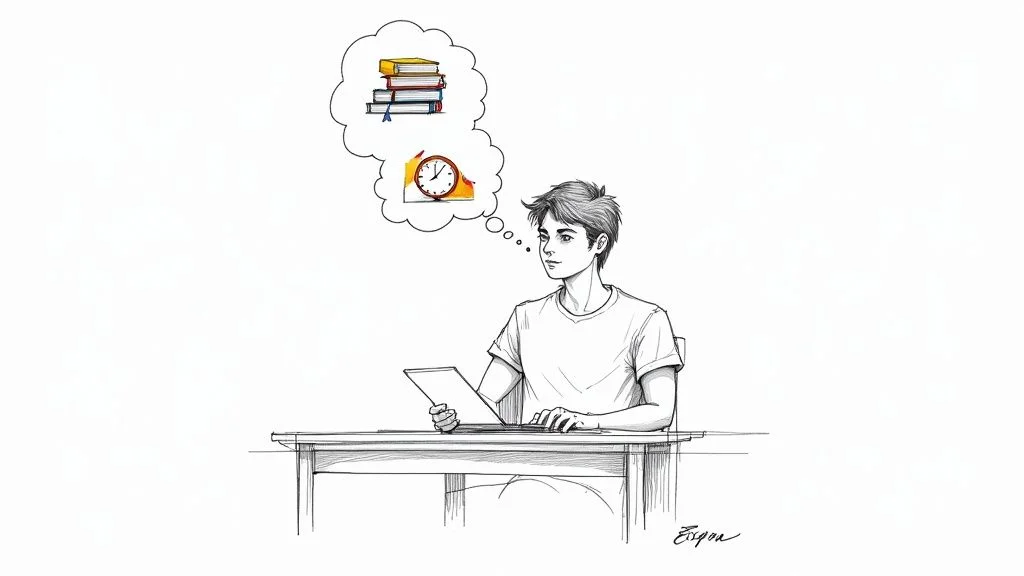
A little stress can sharpen focus. But overwhelming anxiety—when your mind goes blank despite preparation—requires intervention. Triggers generally fall into three categories:
- Cognitive: Negative self-talk, catastrophic thinking, comparisons.
- Physiological: Racing heart, sweaty palms, shortness of breath.
- Behavioral: Procrastination, cramming, avoidance cycles.
📊 Studies show that students who studied consistently for 2–3 hours a day experienced 40% less anxiety than last-minute crammers (BestColleges data).
When you know the type of trigger, you can target the response—reframe thoughts, calm your body, or build better habits.
Building an Anxiety-Proof Study Plan
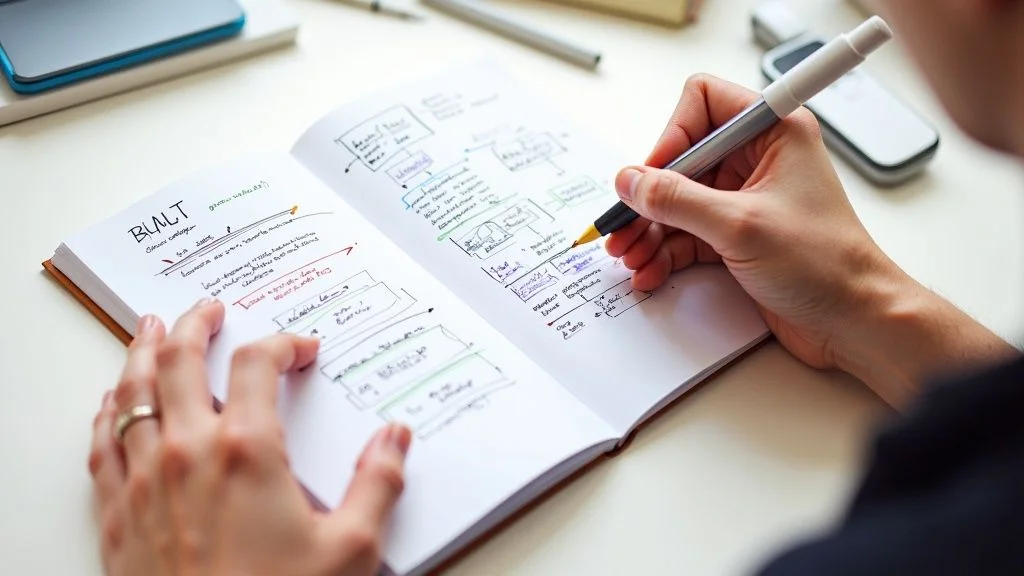
A calm, structured plan is the best defense against stress. The goal: swap chaotic cramming for predictable, controlled preparation.
1. Break Down the Mountain
Turn “study for the final” into small, concrete tasks. Example:
- Read sections 3.1–3.2.
- Create 5 flashcards.
- Do end-of-chapter practice questions.
2. Practice Active Recall
Don’t just reread—force your brain to retrieve information:
- Teach the concept to someone else.
- Write your own quiz questions.
- Build a mind map from memory.
✅ Confidence grows when you prove to yourself you can recall information on command.
3. Schedule Recovery
Use the Pomodoro Technique (25 min work, 5 min break) and protect longer rest periods. Downtime prevents burnout and improves retention.
Mindfulness for Instant Calm
When panic rises during the exam, quick grounding techniques restore focus.
Box Breathing
- Inhale 4 → Hold 4 → Exhale 4 → Hold 4.
- Repeat 3–4 cycles to lower heart rate.
5-4-3-2-1 Grounding
Notice:
- 5 things you see
- 4 things you feel
- 3 things you hear
- 2 things you smell
- 1 thing you taste
📊 Research with 1,500 students showed mindfulness cut anxiety by 20–30% (PubMed study).
Quick Reference Table
| Technique | How It Works | When to Use |
|---|---|---|
| Box Breathing | Slows heart rate, calms nervous system | Pre-exam or mid-panic |
| 5-4-3-2-1 | Shifts focus to external reality | Racing thoughts |
| Palm Press | Creates physical reset | Silent, in-seat relief |
| Shoulder Roll | Releases physical tension | Between sections |
Lifestyle Foundations
Your habits fuel your mental resilience.
- Sleep: Aim for 7–9 hours. Lack of sleep amplifies anxiety.
- Nutrition: Favor slow-release foods (oats, eggs, nuts) over sugar/caffeine spikes.
- Movement: Even a brisk 20-min walk reduces cortisol and resets your system.
Sacrificing sleep or relying on energy drinks sabotages both focus and calmness.
Developing Exam-Day Confidence
Your mindset is as important as your knowledge.
Cognitive Reframing
Challenge negative thoughts with evidence:
- “Everyone else is smarter.” → “I only need to focus on my own performance.”
- “If I fail, my future is ruined.” → “This exam matters, but it’s just one step in my journey.”
Visualization
Rehearse success like athletes do:
- Imagine arriving calm, recalling answers smoothly, finishing with confidence.
- This builds mental familiarity, reducing fear and replacing it with readiness.
FAQ: Facing Common Fears
What if I have a panic attack during the exam?
→ Stop, use box breathing, ground yourself with palms pressed or feet flat. The goal is to interrupt the spiral, not erase it instantly.
How do I know if it’s just stress or a bigger problem?
→ Occasional jitters are normal. But persistent anxiety disrupting sleep, appetite, or daily life may need professional support. Talking to a counselor is strength, not weakness.
Final Word: From Anxiety to Confidence
Exam stress is real, but it’s not unbeatable. By knowing your triggers, building a steady study system, practicing mindfulness, and reframing anxious thoughts, you can transform exam day into an opportunity to shine.
At MindMesh Academy, we’ve designed the entire learning journey to actively reduce anxiety and build confidence step by step:
- Structured Study Guides — break the “mountain” of material into clear, manageable paths so you always know what to study next.
- Active Recall & Spaced Repetition — flashcards and quizzes built to train memory retrieval, so you don’t just recognize facts—you remember them under pressure.
- Practice Exams — simulate the real test environment, helping you desensitize exam-day nerves and identify weak spots early.
- Targeted Remediation — focus on the areas where anxiety often hides (your weakest topics), turning them into strengths.
- Readiness Tracking — see your progress in real time, which replaces doubt with measurable proof that you are ready.
This isn’t just about passing a single exam—it’s about building lifelong confidence in your ability to learn, recall, and perform under pressure.
👉 Begin your journey today at mindmeshacademy.com and turn exam prep from a source of stress into a path of growth and mastery.

Written by
Alvin Varughese
Founder, MindMesh Academy
Alvin Varughese is the founder of MindMesh Academy and holds 20 professional certifications including Microsoft Agentic AI Business Solutions Architect, AWS Solutions Architect Professional, and Azure DevOps Engineer Expert. He's held senior engineering and architecture roles at Humana (Fortune 50) and GE Appliances. He built MindMesh Academy to share the study methods and first-principles approach that helped him pass each exam.